Abbe Museum
A museum that can work well for families looking for an indoor, educational activity with local history and culture.
The Abbe Museum in Bar Harbor is a small but important museum focused on the history, culture, and living traditions of the Wabanaki peoples of Maine. It can be a meaningful stop for families because it offers a chance to learn about the region’s Indigenous heritage in a setting that is easy to explore without a long time commitment. Visitors who want a deeper understanding of Mount Desert Island beyond its scenery will find it especially worthwhile.
History
The Abbe Museum was founded to preserve and interpret the archaeology and culture of Maine’s Native peoples, and it has long been associated with Wabanaki history and education. Its Bar Harbor location is the museum’s original home, and over time the institution has become known for centering Indigenous voices and presenting Wabanaki culture as living and contemporary rather than only historical.
Expert notes
- Keep expectations for a compact museum visit rather than a large, all-day attraction.
- Good choice for pairing with other Bar Harbor downtown stops on the same outing.
- Best for travelers interested in local history, Native culture, and educational family visits.
More things to do in Bar Harbor
 Duck Brook Bridge
A picturesque bridge in a natural setting, suitable for outdoor sightseeing and photography.
 Bubble Rock
An iconic Acadia-area scenic spot known for its distinctive granite boulder and sweeping views.
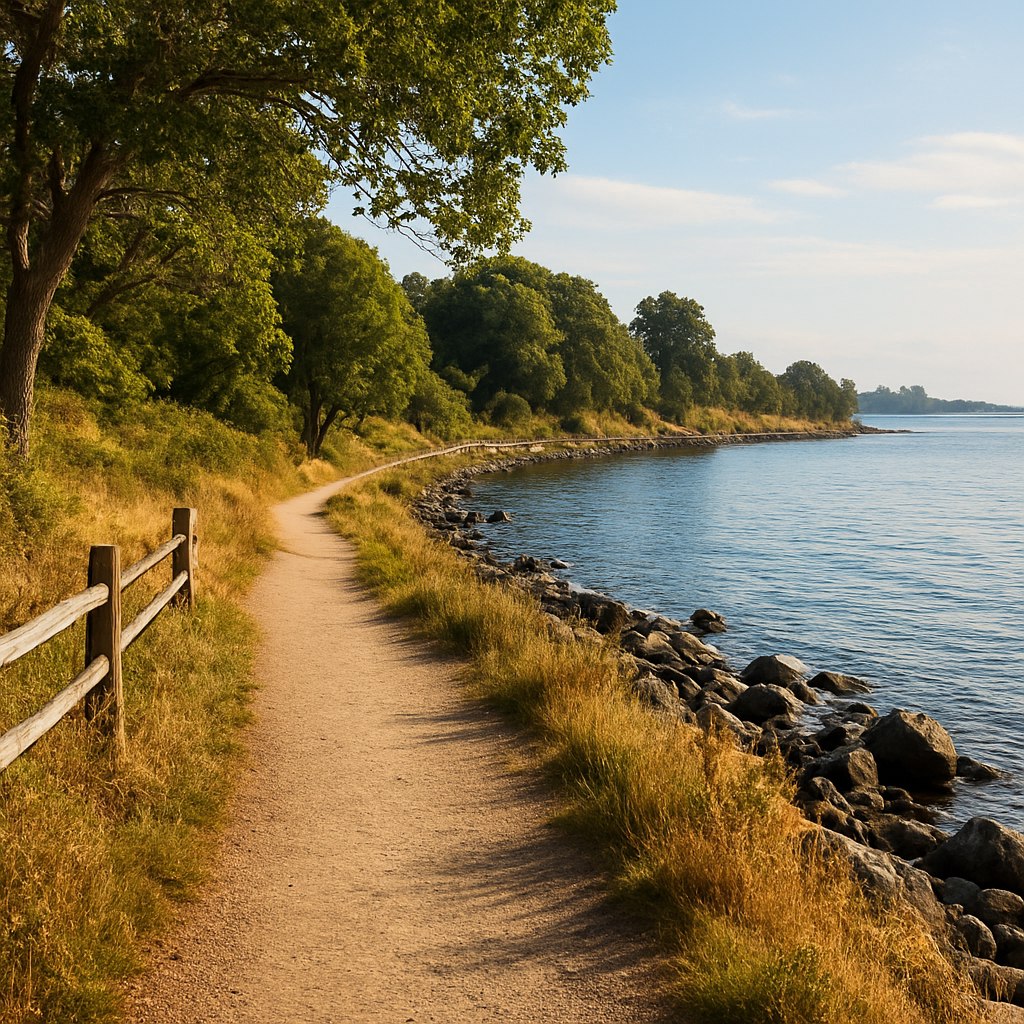 Bar Harbor Shore path
A popular shoreline walking path that offers an easy scenic outdoor experience right in town.
 Thunder Hole
A classic scenic stop with dramatic ocean views and crashing waves, making it a strong outdoor attraction in Bar Harbor.
 Bar Harbor Welcome Sign
A quick, fun photo stop that’s especially appealing to kids and families visiting Bar Harbor for the first time.
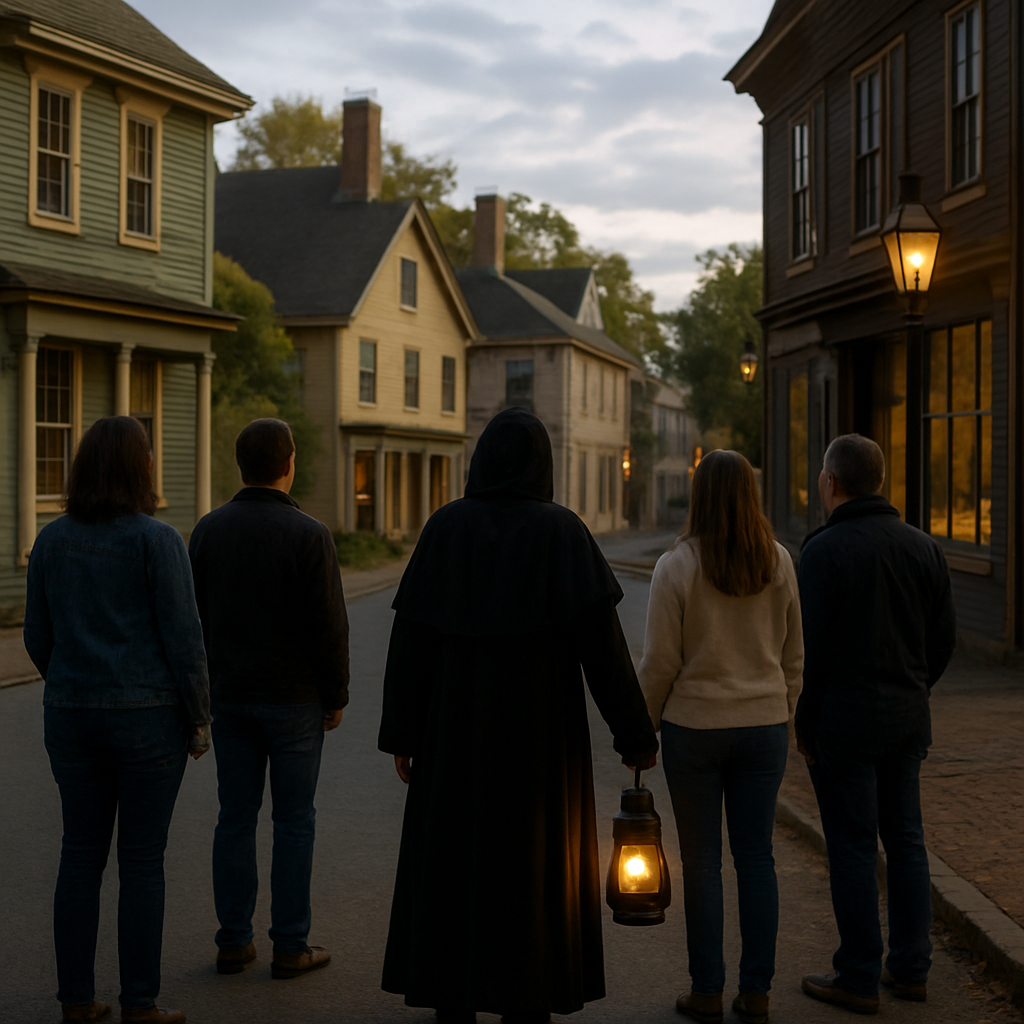 Bar Harbor Ghost Tours – Locally Owned Original Ghost Tour
Bar Harbor Ghost Tours highlights local history and folklore through guided storytelling, which makes it culturally significant and tied to the town’s historic character.