


 59°Flight rain
Great Smoky Mountains vacation guide
Real things to do, places to eat, and a day-by-day plan for Great Smoky Mountains — every recommendation verified against Google Maps, not invented.
Top things to do in Great Smoky Mountains
 The Escape Game$$5.0
Immersive escape room adventures located in the heart of the Smokies
 Alum Cave TrailFree4.9
Iconic Great Smoky Mountains trail featuring rock arches and mountain vistas
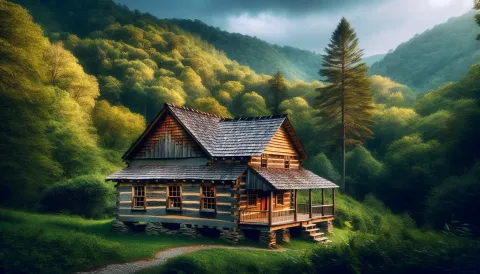 Carter Shields CabinFree4.9
Historic log cabin offering tranquil mountain views along Cades Cove Loop
 Mount LeConteFree4.9
An iconic soaring mountain peak inside Great Smoky Mountains National Park
 The Little River TrailFree4.9
Easy streamside hike following historic railroad beds in Great Smoky Mountains
 Cherokee Historical AssociationFree4.8
Dedicated to preserving Cherokee cultural heritage through living history and drama
 Chimney Tops TrailFree4.8
Challenging Great Smoky Mountains hike offering dramatic panoramic summit views
 Cumberland Gap National Historical ParkFree4.8
Explore the historic gateway west surrounded by scenic mountain trailways
 Grotto FallsFree4.8
Walk behind a stunning waterfall along the scenic Trillium Gap Trail
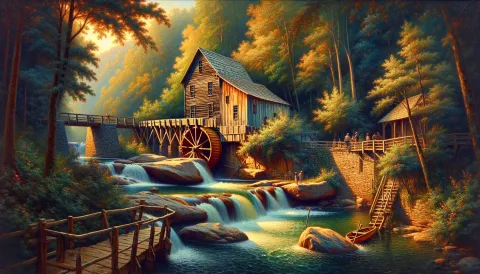 Mingus MillFree4.8
Step back in time at this historic 1886 mountain grist mill
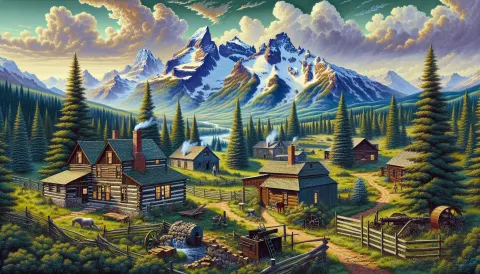 Mountain Farm MuseumFree4.8
Explore historic log buildings and traditional Appalachian farmstead life in Cherokee.
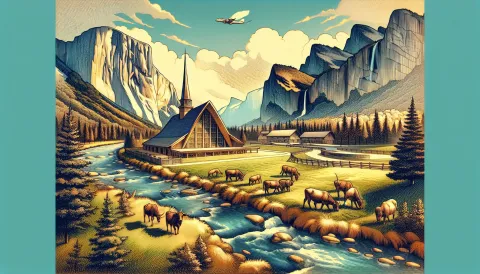 Oconaluftee Visitor CenterFree4.8
Gateway to Great Smoky Mountains history, local wildlife, and mountain trails
Where to eat
 Pigeon Forge Deli$4.8
Discover oversized hot subs and homemade pretzels at this hidden gem
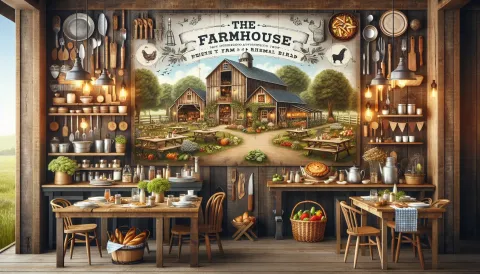 The Barn at Blackberry Farm$$$$4.8
Experience fine farm to table dining in a historic rustic barn
 The Smoky Mountain Cat HouseFree4.8
A delightful shop in Pigeon Forge for cat lovers and pets
 Crocketts Breakfast Camp$$4.7
Hearty Southern breakfast classics served in a rustic Gatlinburg cabin atmosphere
 Log Cabin Pancake House$4.7
Rustic Gatlinburg favorite serving hearty pancakes and Southern breakfast classics
 Gatlinburg Brewing Company$$4.6
Craft beer and fresh artisanal pizzas on the Gatlinburg Parkway
 The Donut Friar$4.6
Iconic Gatlinburg bakery serving fresh warm donuts and coffee daily
 The Local Goat$$4.6
Savor craft brews and farm fresh American fare in Pigeon Forge
Plan your Great Smoky Mountains trip
About Great Smoky Mountains
Renowned for its signature blue-hued mist and ancient peaks, Great Smoky Mountains National Park offers visitors an immersive retreat into nature across Tennessee and North Carolina. The park features picturesque mountain drives, historic log cabins, vibrant wildflower displays, and diverse wildlife including black bears. Whether exploring famous routes like Cades Cove or hiking sections of the Appalachian Trail, travelers of all ages and skill levels will find year-round outdoor adventure.
History
The Great Smoky Mountains were established as a national park in 1934, making it one of the oldest national parks in the United States. The area is rich in Native American history and was later settled by European Americans in the 19th century.
Frequently asked questions
When's the best time to visit Great Smoky Mountains?
The best time to visit is from late spring to early fall, especially during the fall months for foliage viewing.
How do you get around Great Smoky Mountains?
The best way to get around the Great Smoky Mountains is by car, as there are numerous scenic drives and access points to trails. The park also offers a free shuttle service during the peak season to help visitors navigate popular areas without the hassle of parking.
What's the weather like in Great Smoky Mountains year-round?
The Great Smoky Mountains have a temperate climate with four distinct seasons. Winters can be cold, with snow at higher elevations, while summers are warm and humid. Spring and fall offer mild temperatures and beautiful scenery, making them ideal for outdoor activities.
How can you save money in Great Smoky Mountains?
- Visit during the off-peak season to save on accommodations.
- Bring your own food and drinks for picnics.
- Take advantage of free park programs and ranger-led activities.
- Use the park's free shuttle instead of driving.
- Camp in the park instead of staying in hotels.
- Explore the numerous free trails and scenic overlooks.
- Look for local discounts on attractions and tours.
- Plan your trip around free community events.
- Carpool with friends to save on fuel costs.
- Utilize free educational resources at visitor centers.
What should you know about safety in Great Smoky Mountains?
- 911
- Park Emergency: 865-436-9111
- Great Smoky Mountains National Park Visitor Center: 865-436-1200
- Hospital (Covenant Health): 865-977-5000
- Tennessee Poison Center: 1-800-222-1222
Local tips
- Visit during the fall for stunning foliage.
- Take advantage of the numerous hiking trails.
- Explore Cades Cove for wildlife viewing.
- Check out the visitor centers for educational exhibits.
- Be prepared for sudden weather changes in the mountains.
- Use the park's shuttle service to avoid parking hassles.
- Pack a picnic to enjoy at scenic overlooks.
- Plan your visit during the week to avoid crowds.
- Take a guided tour for a deeper understanding of the area.
- Stay hydrated and wear appropriate gear for hiking.
Interesting facts
- Home to over 19,000 documented species of living organisms.
- The park is known for its biodiversity and is one of the most biologically diverse areas in North America.
- It has over 800 miles of hiking trails.
- Cades Cove is a popular area for viewing deer and black bears.
- The park was the first in the U.S. to be designated a World Heritage site.
- The Smokies were named for the natural fog that often envelops the mountains.
- It features the highest peak in the eastern U.S., Clingmans Dome.
- The park is home to an extensive network of historic buildings.
- Visitors can see remnants of Southern Appalachian mountain culture.
- There are more than 100 species of trees in the park.
Ready to plan your Great Smoky Mountains trip?
Get a full day-by-day itinerary built from real, currently-open places — verified against Google Maps, ready in seconds.
You might also like
 Nashville
Known as Music City, Nashville blends legendary musical heritage with a vibrant culinary scene and warm Southern hospitality. From historic venues like the Grand Ole Opry and Ryman Auditorium to bustling honky-tonks on Broadway, it offers an unforgettable getaway for music lovers and culture seekers alike.
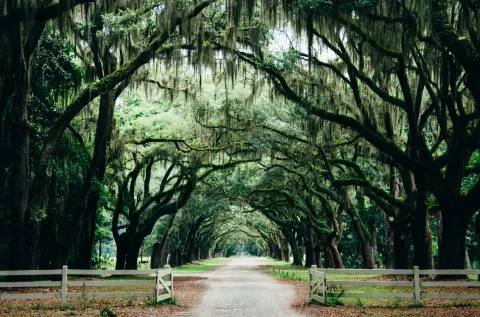 Savannah
Savannah, Georgia, captivates travelers with its cobblestone streets, moss-draped live oaks, and picturesque historic squares. Known for its rich Southern charm, vibrant waterfront, and thriving culinary scene, it remains an iconic coastal destination.
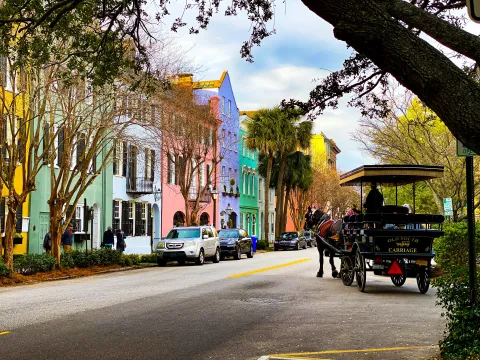 Charleston
Renowned for its cobblestone streets, pastel antebellum homes, and rich coastal heritage, Charleston blends classic Lowcountry charm with a world-class culinary scene. Visitors can stroll along Waterfront Park, explore historic landmarks, and enjoy scenic harbor views in South Carolina's most iconic city.
 Indianapolis
Famous for sports heritage and Midwestern hospitality, Indianapolis offers a vibrant blend of iconic racing culture, walkable downtown attractions, and world-class museums. Visitors can explore scenic canals, family-friendly cultural spaces, and a thriving dining scene in the heart of Indiana.