


 36°Fscattered clouds
Acadia National Park vacation guide
Real things to do, places to eat, and a day-by-day plan for Acadia National Park — every recommendation verified against Google Maps, not invented.
Top things to do in Acadia National Park
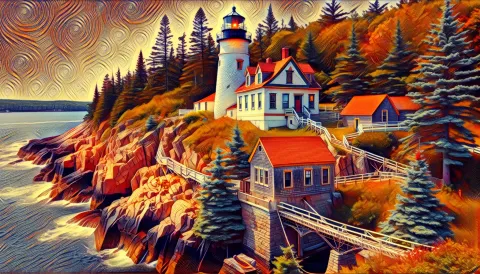 Bass Harbor Head LighthouseFree5.0
Perched atop dramatic granite cliffs on Mount Desert Island's rugged shore
 Bear IslandFree5.0
Explore scenic coastal views of Bear Island near Acadia National Park.
 Bubbles TrailFree5.0
Hike iconic granite summits for panoramic views of Jordan Pond
 Cadillac Mountain North Ridge TrailFree5.0
A scenic, gradual granite climb to the summit of Cadillac Mountain
 Cadillac Mountain South Ridge TrailFree5.0
Traverse scenic granite slopes to reach Acadia's iconic mountain peak
 Precipice TrailFree5.0
Conquer Acadia's thrill-packed iron rung ladder ascent up Champlain Mountain.
 Seal Cove PondFree5.0
Experience serene freshwater paddling and fishing away from main Acadia crowds.
 Acadia National Park Loop RoadFree4.9
Experience Maine's stunning ocean vistas along Acadia's signature 27-mile scenic drive.
 Cadillac Summit HouseFree4.9
Perched atop Acadia's highest peak, offering souvenirs, snacks, and restrooms.
 Eagle LakeFree4.9
Explore pristine waters and scenic carriage road trails in Acadia
 Great Cranberry IslandFree4.9
A quiet island sanctuary featuring panoramic views of Acadia National Park.
 Great Head TrailFree4.9
Scenic oceanfront trail offering cliffside Atlantic views in Acadia
Where to eat
 The BeehiveFree4.9
Climb Acadia National Park's iconic cliffside trail for stunning summit views
 Bar Harbor Lobster Pound$$4.8
Casual Maine lobster pound serving fresh local seafood with live music
 Sweet Pea's Farm Kitchen$$4.8
Savor fresh farm to table dining and wood fired pizzas
 Tap & Barrel Tavern$$4.8
Cozy Bar Harbor sports tavern serving craft beer and elevated bites.
 The Lost Kitchen$$$$4.8
Chef Erin French's iconic seasonal restaurant located in Freedom, Maine
 The Travelin Lobster$$4.8
Authentic fisherman owned lobster shack serving fresh seafood near Acadia
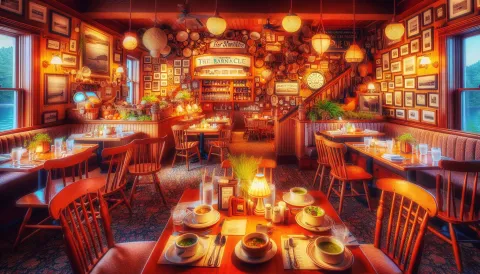 The Barnacle$4.7
Cozy downtown Bar Harbor pub serving fresh seafood and craft cocktails
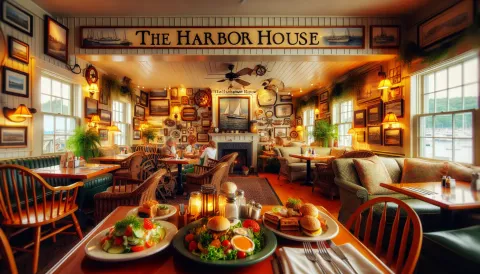 The Harbor House$$4.7
A welcoming community hub offering local programs near Acadia National Park.
Plan your Acadia National Park trip
About Acadia National Park
Acadia National Park offers an unforgettable coastal mountain retreat filled with historic carriage roads, tide pools, and granite hiking trails. Visitors can watch sunrise from the summit of Cadillac Mountain, stroll along Sand Beach, or take in sunset views at Bass Harbor Head Light Station. Located near the gateway town of Bar Harbor, the park provides endless outdoor adventures alongside convenient access to local dining and island shuttle services.
History
Established in 1916, Acadia National Park is the first national park east of the Mississippi River. Originally known as Sieur de Monts National Monument, it has been a conservation area that showcases the natural beauty of Maine's coastline.
Frequently asked questions
When's the best time to visit Acadia National Park?
Late spring to early fall, especially September for fall foliage.
How do you get around Acadia National Park?
The best ways to get around Acadia National Park include using the free Island Explorer shuttle bus, which operates during the summer and fall seasons. Biking is also popular, as there are many carriage roads and trails specifically for cyclists. For those who prefer hiking, numerous trails offer access to various park locations. Driving is possible along designated scenic routes, but parking can be limited during peak seasons.
What's the weather like in Acadia National Park year-round?
Acadia National Park experiences a temperate maritime climate with mild summers and cold winters. Summer temperatures average around 70°F (21°C), while winter can drop below freezing. Rainfall is spread throughout the year, with spring and fall providing beautiful seasonal changes.
How can you save money in Acadia National Park?
- Visit during the off-peak season for lower accommodation costs.
- Bring your own food and drinks to save on dining expenses.
- Take advantage of free ranger-led programs and activities.
- Use the Island Explorer shuttle to avoid parking fees.
- Plan your visit during free entrance days to national parks.
- Consider camping for a more affordable lodging option.
- Explore less popular trails to avoid crowds and have a more serene experience.
- Pack snacks to avoid higher prices at park concession stands.
- Check for local grocery stores and markets for supplies.
- Look for discounts on local attractions or tours.
What should you know about safety in Acadia National Park?
- 911
- Maine State Police: 1-800-452-4664
- Acadia National Park Visitor Center: 207-288-3338
- Bar Harbor Hospital: 207-288-5081
- National Park Service: 207-288-3338
Local tips
- Visit during the fall to see the stunning foliage.
- Take the scenic drive along Park Loop Road.
- Start your day early to avoid crowds at popular sites.
- Bring layers as the weather can change quickly.
- Use the free Island Explorer shuttle bus to get around.
- Explore the trails by foot or bike for a closer experience.
- Check for ranger-led programs for educational experiences.
- Don't miss the sunrise from Cadillac Mountain.
- Pack a picnic to enjoy at one of the scenic overlooks.
- Observe wildlife from a distance and respect their habitat.
Interesting facts
- Acadia National Park is home to the highest point on the U.S. Atlantic coast.
- The park covers over 49,000 acres of diverse ecosystems.
- Cadillac Mountain is the first place to see the sunrise in the U.S. during certain months.
- The park has over 120 miles of hiking trails.
- There are more than 45 miles of carriage roads for biking.
- Acadia is one of the most visited national parks in the U.S.
- The park was formerly known as Lafayette National Park.
- You can find over 300 species of birds in the park.
- The park features both coastal and forested environments.
- Acadia has a rich cultural history, including Native American heritage.
- The park's diverse habitats support a variety of wildlife.
- It was the first national park established in the eastern U.S.
- The park includes parts of Mount Desert Island and surrounding islands.
- Acadia National Park is a UNESCO Biosphere Reserve.
- The park features stunning rocky shorelines and tide pools.
Ready to plan your Acadia National Park trip?
Get a full day-by-day itinerary built from real, currently-open places — verified against Google Maps, ready in seconds.
You might also like
 Boston
Boston seamlessly blends rich American history with modern urban sophistication, offering scenic harbor views, world-class dining, and iconic landmarks. From walking the red-brick Freedom Trail to taking in panoramic skyline vistas at View Boston, it is a captivating coastal destination.
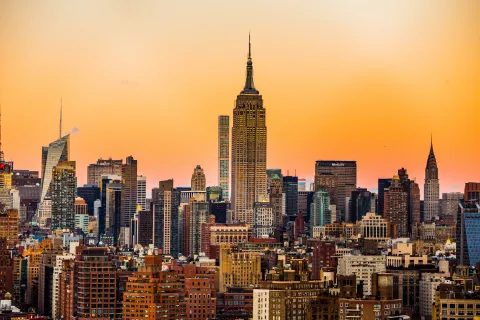 New York
New York City captivates travelers with its iconic skyline, world-class theater, and endless cultural energy across five unique boroughs. From the sprawling greenery of Central Park to towering observation decks like SUMMIT One Vanderbilt, the Big Apple offers unforgettable experiences at every turn.
 Philadelphia
As the birthplace of American democracy, Philadelphia pairs rich revolutionary history with a vibrant, modern urban energy. Visitors can explore iconic landmarks like Independence Hall and the Liberty Bell before diving into a world-class culinary and arts scene.
 Finger Lakes
Famous for its eleven glacially carved lakes, award-winning wineries, and dramatic gorge waterfalls like Watkins Glen State Park, New York's Finger Lakes region is an idyllic year-round escape for wine lovers and outdoor adventurers alike.