Crater Lake National Park Trust
Crater Lake National Park Trust is directly tied to the park and supports its preservation and visitor experience, making it a culturally significant park-related organization.
Crater Lake National Park is best known for its deep blue caldera lake, formed in the collapsed crater of Mount Mazama, and for the dramatic rim views that make it one of the most striking landscapes in the United States. Visitors come for scenic drives, overlooks, hiking, and the chance to experience a high-elevation volcanic landscape that feels both rugged and serene. The park’s setting also offers a strong sense of place, with geology, Indigenous heritage, and conservation history all tied to the lake itself.
History
Crater Lake has long been significant to Native peoples of the region, including the Klamath, who have oral traditions describing the mountain’s destruction and the lake’s creation. The area became a national park in 1902, making it one of the oldest in the United States, and its preservation has centered on protecting the lake, the surrounding caldera, and the cultural landscape connected to it.
Expert notes
- Bring layers even in summer; temperatures can change quickly at high elevation.
- If you want the classic rim views, aim for clear weather and allow time for multiple overlooks rather than just one stop.
- Respect tribal cultural connections to the landscape; treat interpretive materials and sacred-site guidance with care.
More things to do in Crater Lake National Park
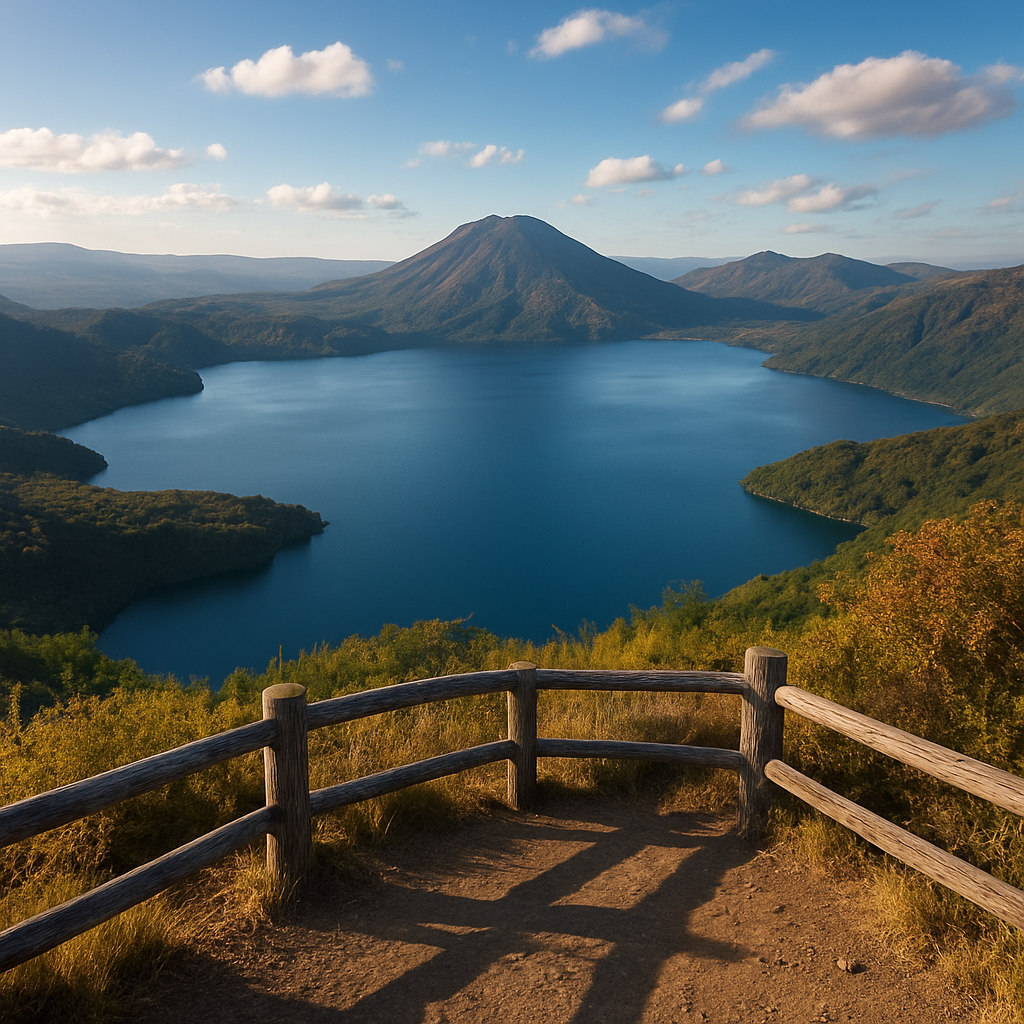 Cloudcap Overlook
A scenic overlook that offers impressive views of the lake and surrounding volcanic landscape. Great for photography and short stop sightseeing.
 Discovery Point Trailhead
A popular trailhead for one of the park’s more accessible scenic walks. Families looking for a manageable outdoor activity with rewarding views may find this a good fit.
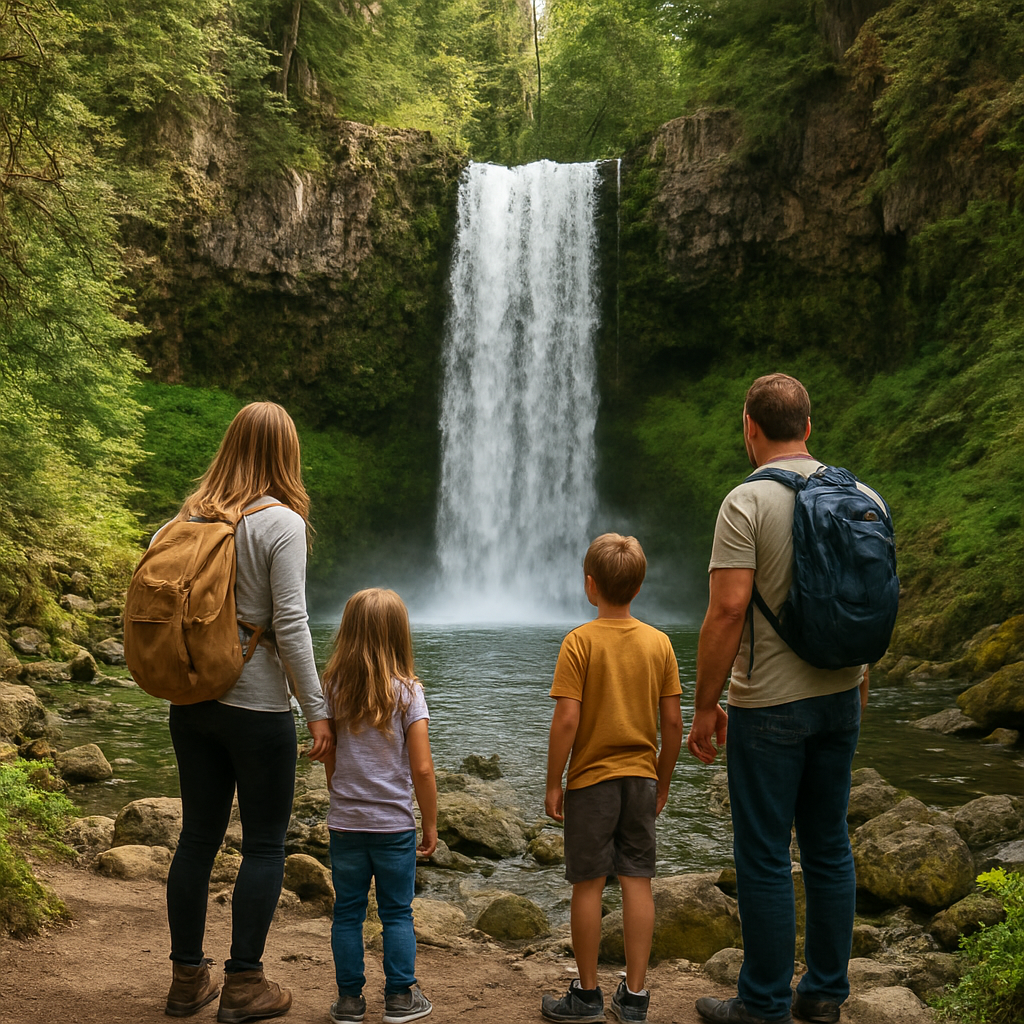 Vidae Falls
A classic waterfall stop inside Crater Lake National Park that is easy to enjoy as a short family outing. It’s a simple, scenic attraction that works well for kids without requiring a long hike.
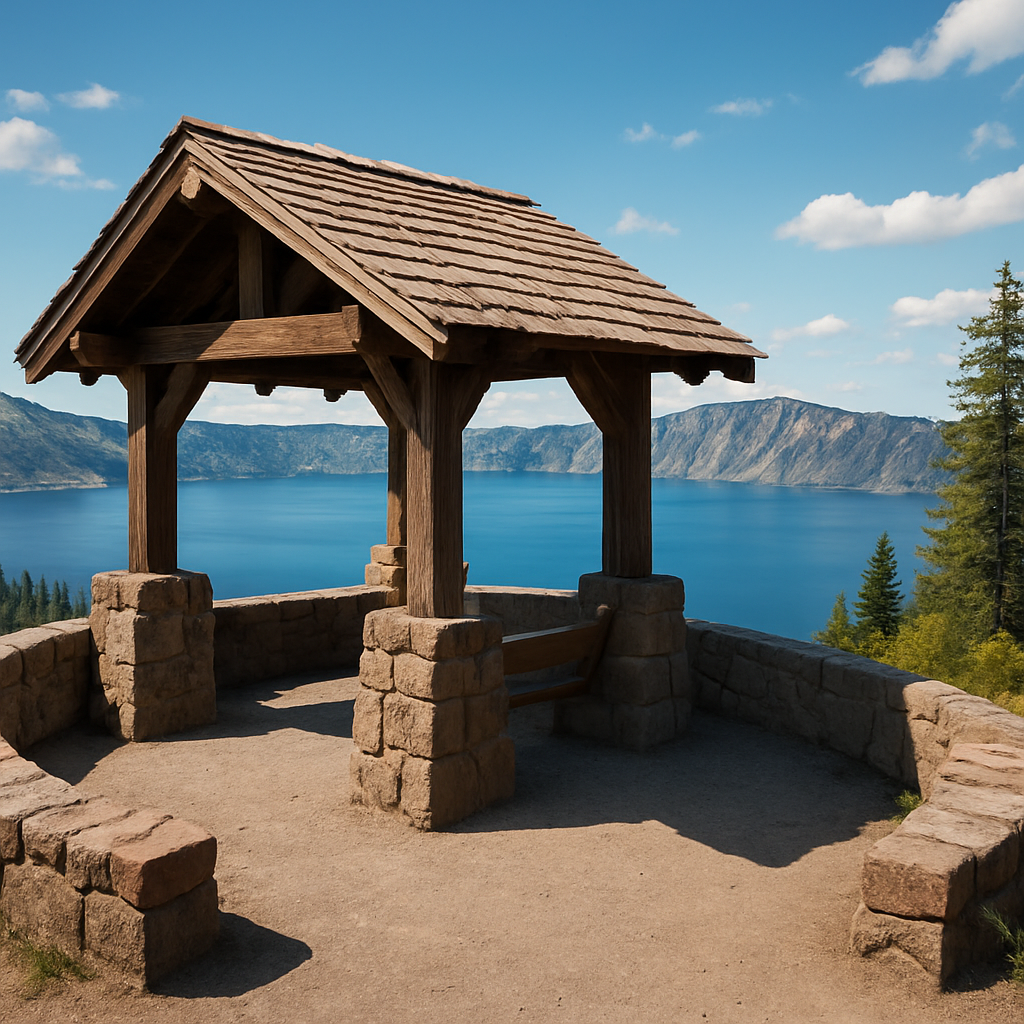 Sinnott Memorial Observation Station
A classic observation station with panoramic views over Crater Lake. It’s a top scenic attraction for visitors seeking one of the park’s signature viewpoints.
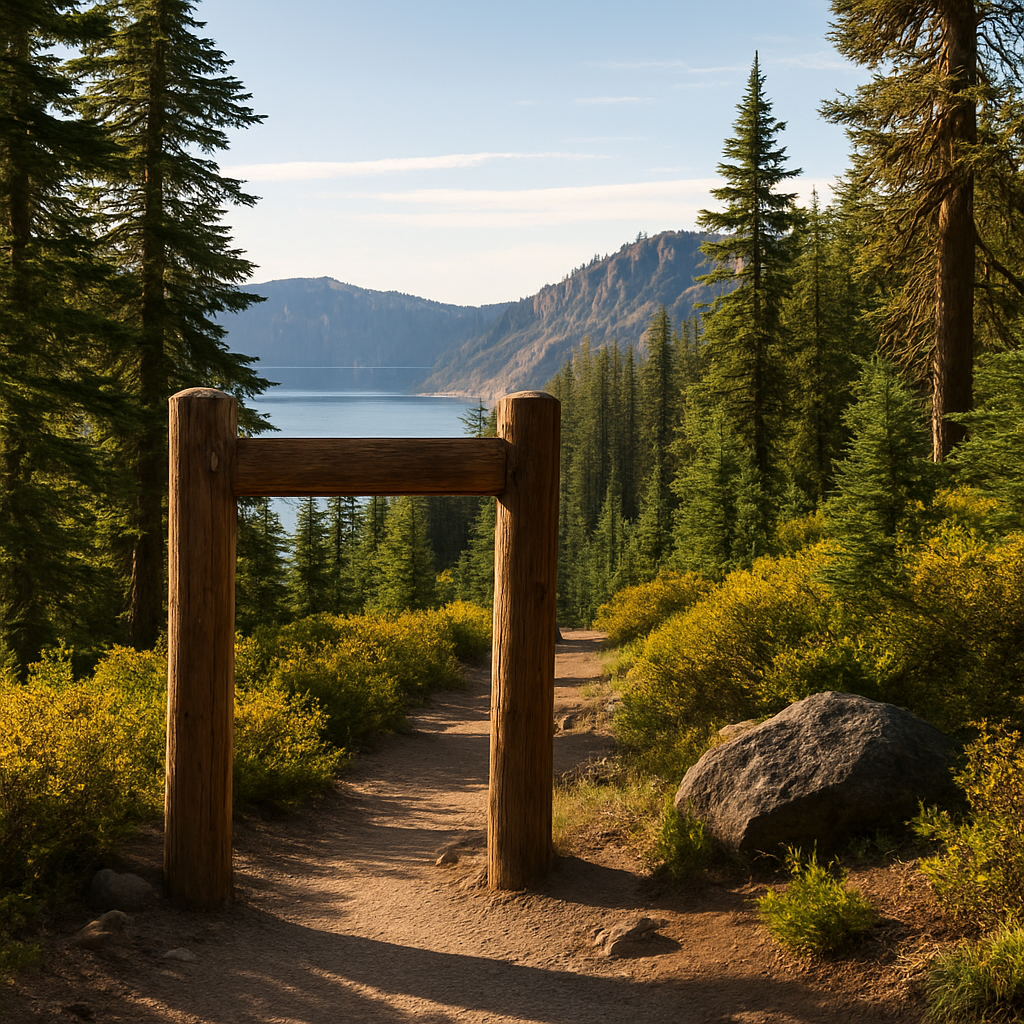 Lady of the Woods Trailhead
Lady of the Woods Trailhead is a notable trail access point within Crater Lake National Park, offering a historic and scenic way to experience the park landscape.
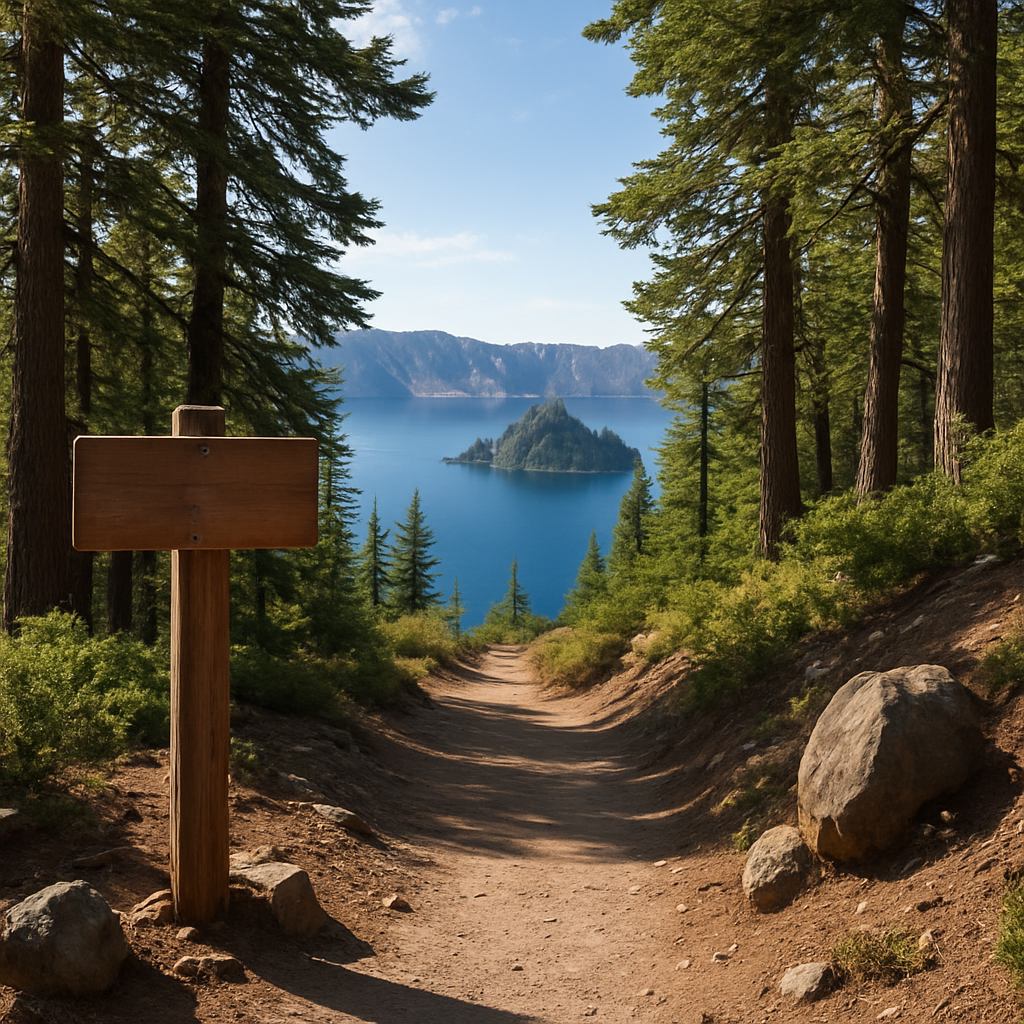 Sun Notch Trailhead
A trailhead for reaching Sun Notch, a scenic area with memorable views of Crater Lake and Phantom Ship. It’s a strong option for hiking and photography.