 25°Fsnow
Glacier National Park vacation guide
Real things to do, places to eat, and a day-by-day plan for Glacier National Park — every recommendation verified against Google Maps, not invented.
Top things to do in Glacier National Park
 Avalanche LakeFree5.0
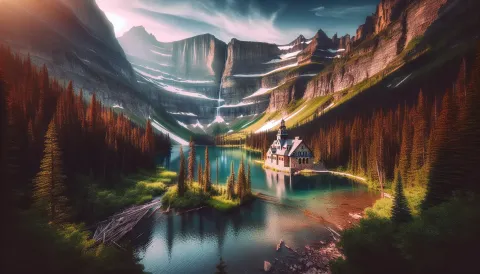
A breathtaking turquoise lake surrounded by towering cliffs and cascading waterfalls
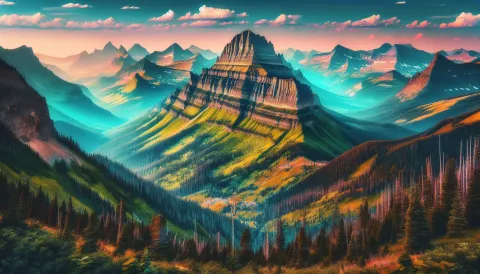 Bearhat MountainFree5.0
An imposing mountain peak rising dramatically above scenic Hidden Lake
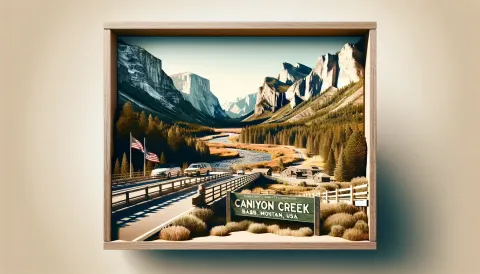 Canyon CreekFree5.0
Discover a tranquil mountain stream winding through pristine Montana wilderness
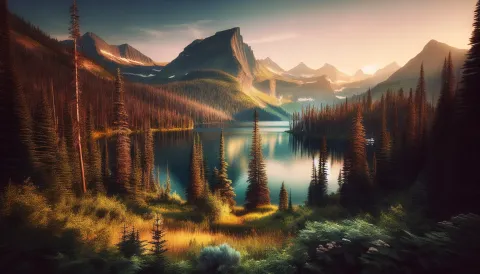 Logging LakeFree5.0
A peaceful backcountry lake offering scenic wilderness views in Glacier National Park
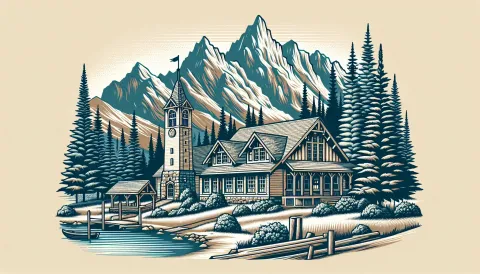 Mollman LakesFree5.0
A serene backcountry lake area set in Montana's scenic Mission Mountains.
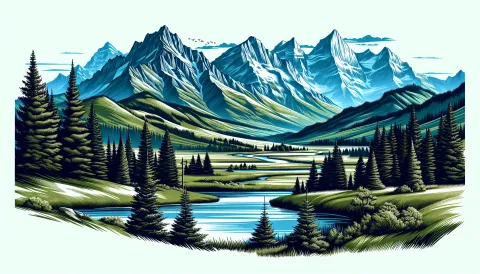 Mount JacksonFree5.0
A towering peak offering rugged wilderness and dramatic glacial vistas.
 Mount WilburFree5.0
Towering rock peak overlooking Many Glacier valley in Glacier National Park
 Old Man LakeFree5.0
Nestled beneath soaring alpine peaks, Oldman Lake offers serene wilderness beauty.
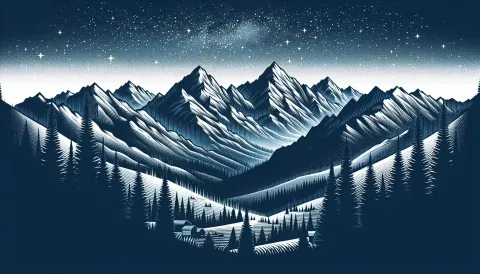 Salish MountainsFree5.0
Discover tranquil forested peaks and lakes west of Glacier National Park
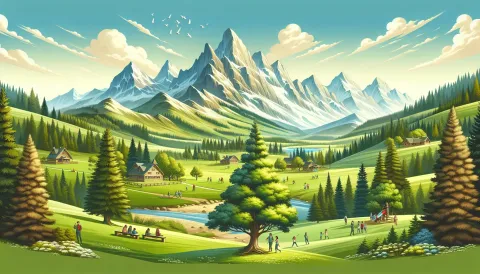 Scenic PointFree5.0
Breathtaking Views Await at Scenic Point
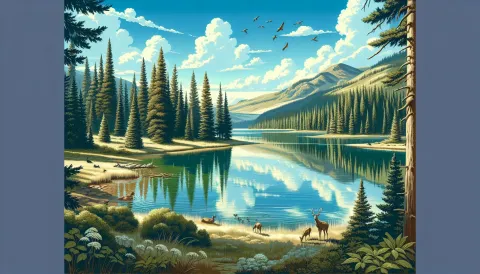 Snyder LakeFree5.0
A scenic backcountry alpine lake nestled in Glacier National Park
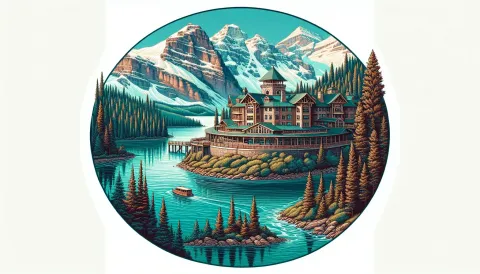 Swan RiverFree5.0
Discover scenic kayaking and fishing along Northwest Montana's picturesque Swan River.
Where to eat
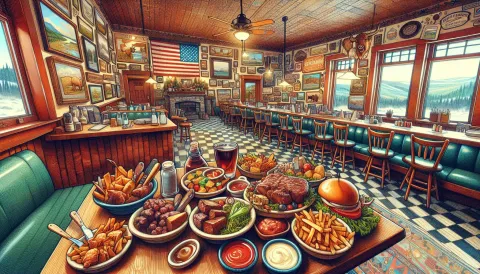 The Buffalo Café$$4.7
An iconic family owned eatery serving hearty breakfasts and Southwestern dishes.
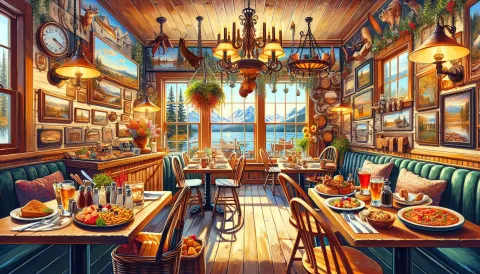 The Whitefish Lake Restaurant$$$4.7
Rustic log cabin dining offering prime steaks, fresh seafood, and wine
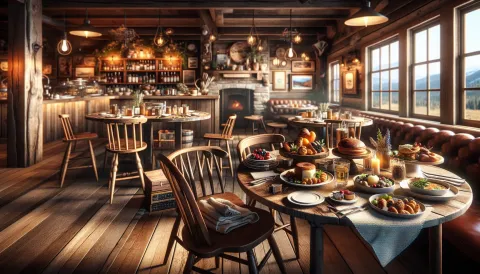 Loula's Café$$4.6
Enjoy cozy New American breakfast and house-made specialty pies in Whitefish
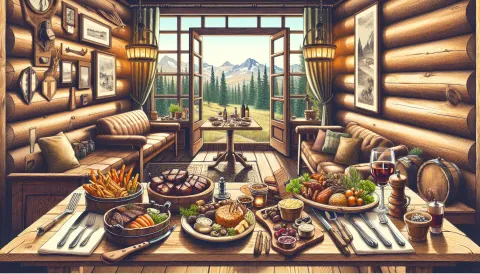 The Pine Lodge$$4.6
Scenic riverfront lodging near Glacier National Park in charming downtown Whitefish
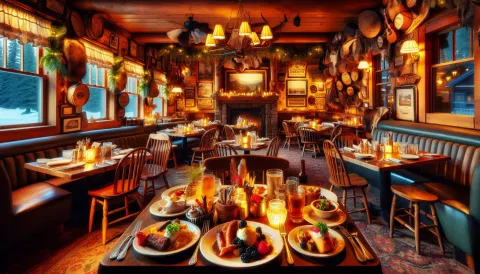 The Huckleberry Patch$$4.5
Iconic roadside stop serving famous huckleberry treats near Glacier National Park
 The Lodge at Whitefish Lake$$$$4.5
A luxury waterfront resort on Whitefish Lake near Glacier National Park
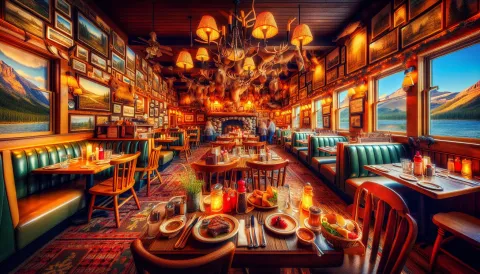 Two Medicine Grill$4.5
A classic East Glacier diner serving hearty breakfasts and huckleberry pie
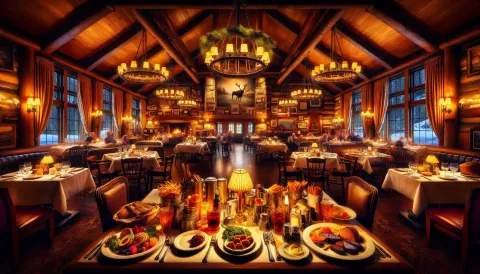 The Belton ChaletFree4.4
Historic 1910 alpine lodge situated steps from West Glacier's park entrance.
Plan your Glacier National Park trip
About Glacier National Park
Nestled along the Continental Divide in Montana, Glacier National Park features dramatic mountain peaks, pristine wilderness, and abundant wildlife such as mountain goats and bighorn sheep. Visitors can drive the spectacular Going-to-the-Sun Road through Logan Pass, take in scenic viewpoints like Jackson Glacier Overlook, and trek along iconic routes including the Trail of the Cedars. Accessible visitor centers at Apgar and St. Mary provide shuttle access, trail maps, and park exhibits to help travelers navigate the area. Whether exploring short family-friendly paths or embarking on steep alpine hikes, the park provides an unforgettable immersion into glacier-carved terrain.
History
Established in 1910, Glacier National Park is known for its stunning natural beauty and diverse ecosystems. The park was formed through glacial activity and is home to many unique species of plants and animals. It has been a popular destination for outdoor enthusiasts and nature lovers for over a century.
Frequently asked questions
When's the best time to visit Glacier National Park?
The best time to visit Glacier National Park is from late June to mid-September when the weather is warm and most park facilities are open.
How do you get around Glacier National Park?
The best way to get around Glacier National Park is by car, especially if you want to explore remote areas. The Going-to-the-Sun Road offers scenic drives that are not to be missed. Additionally, shuttle services are available within the park during the summer months to help reduce traffic and parking issues.
What's the weather like in Glacier National Park year-round?
The weather in Glacier National Park varies greatly by season. Summers are warm and pleasant, with daytime temperatures ranging from 70°F to 90°F. Winters are cold and snowy, with temperatures often dropping below freezing. Spring and fall can be unpredictable, with a mix of rain, snow, and mild temperatures.
How can you save money in Glacier National Park?
- Visit during the off-peak season for lower rates
- Camp instead of staying in hotels to save on accommodation
- Take advantage of free park programs and ranger-led activities
- Bring your own food for picnics to avoid dining costs
- Use the park's shuttle services instead of driving
- Purchase a National Parks Pass if visiting multiple parks
- Plan day trips to avoid overnight lodging expenses
- Look for discounts on local attractions
- Hike instead of using paid tours for exploration
- Utilize free visitor centers for maps and information
What should you know about safety in Glacier National Park?
- 911
- Park Ranger Station: 406-888-7800
- Glacier National Park Medical Clinic: 406-888-7800
- Local Hospital: Kalispell Regional Medical Center - 406-751-2500
- Poison Control: 1-800-222-1222
Local tips
- Visit during the summer months for the best weather and accessibility
- Take the Going-to-the-Sun Road for breathtaking views
- Bring bear spray when hiking in bear country
- Start hikes early in the day to avoid afternoon thunderstorms
- Check trail conditions before heading out
- Dress in layers for changing weather conditions
- Stay hydrated and carry plenty of water on hikes
- Respect wildlife and maintain a safe distance
- Use the park's shuttle service to reduce traffic congestion
- Plan your visit to include ranger-led programs for educational experiences
Interesting facts
- Home to over 700 miles of hiking trails
- Contains 26 active glaciers
- Part of the Crown of the Continent ecosystem
- Designated a UNESCO World Heritage Site
- Hosts a variety of wildlife including grizzly bears and mountain goats
- Features over 130 named lakes
- The park spans over 1 million acres
- Glacier National Park is often referred to as the 'Last Best Place'
- Offers some of the darkest night skies in the continental U.S.
- The park's name comes from the glaciers that carved its landscape
Ready to plan your Glacier National Park trip?
Get a full day-by-day itinerary built from real, currently-open places — verified against Google Maps, ready in seconds.
You might also like
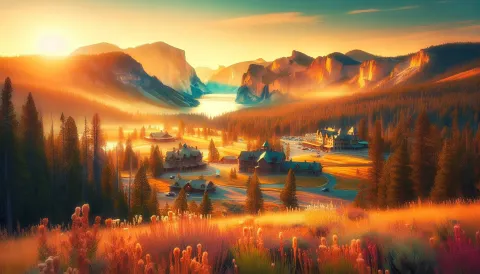 Yellowstone National Park
Yellowstone National Park is a breathtaking wonderland of geothermal features, dramatic canyons, and abundant wildlife. From the iconic eruptions of Old Faithful to the vibrant rainbow hues of Grand Prismatic Spring, it offers an unforgettable wilderness adventure.
 Seattle
Nestled between Puget Sound and Lake Washington, Seattle blends iconic urban landmarks with breathtaking Pacific Northwest scenery. From the bustling energy of Pike Place Market to stunning views atop the Space Needle, the Emerald City offers an enticing coastal escape.
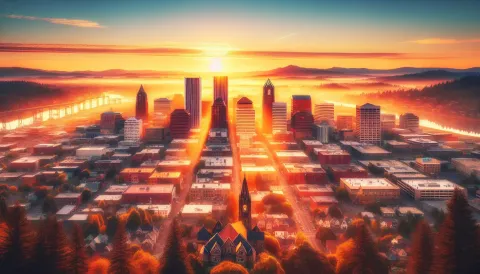 Portland
Known for its vibrant eco-conscious culture, creative culinary scene, and lush urban greenery, Portland seamlessly blends big-city amenities with immediate outdoor access. From historic rose gardens in Washington Park to vast forest trails, this Pacific Northwest destination offers a uniquely inviting escape.
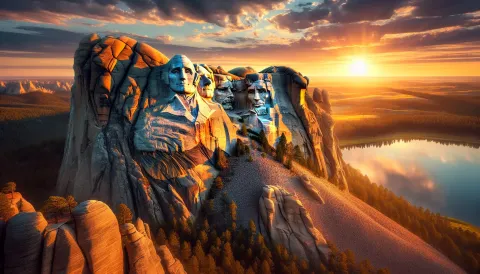 Mount Rushmore
Nestled in the Black Hills of Keystone, South Dakota, Mount Rushmore National Memorial features iconic 60-foot granite carvings of four U.S. presidents set against dramatic mountain scenery. It stands as a world-renowned landmark combining American history, impressive engineering, and natural beauty.