 48°Flight rain
Yellowstone National Park vacation guide
Real things to do, places to eat, and a day-by-day plan for Yellowstone National Park — every recommendation verified against Google Maps, not invented.
Top things to do in Yellowstone National Park
 Black Sand Basin TrailheadFree5.0
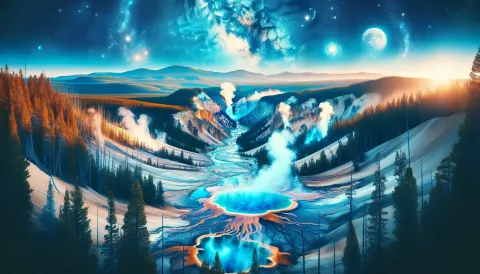
Discover vibrant thermal pools and geysers along a scenic boardwalk trail
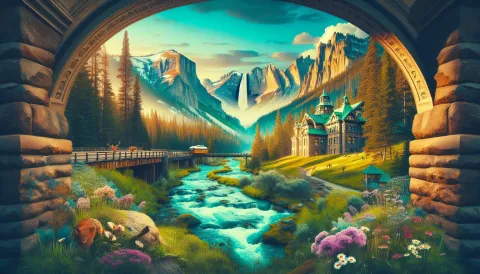 Fawn Pass TrlFree5.0
Explore scenic backcountry terrain along Yellowstone National Park's Fawn Pass Trail
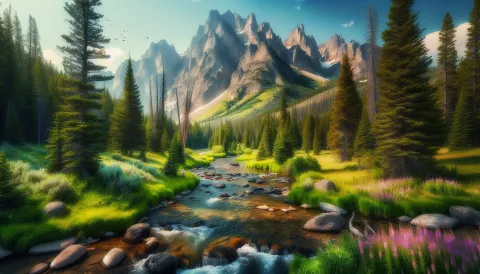 Hellroaring Crk TrlFree5.0
Descend into Yellowstone's rugged backcountry along the scenic Hellroaring Creek Trail
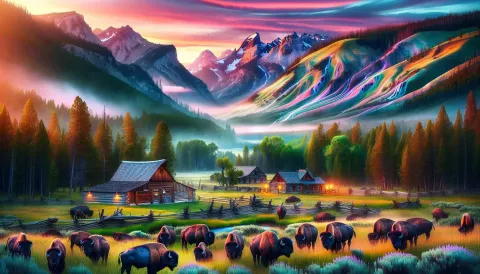 Lamar Buffalo Ranch - Yellowstone Forever InstituteFree5.0
Historic field campus offering educational programs in Yellowstone's Lamar Valley
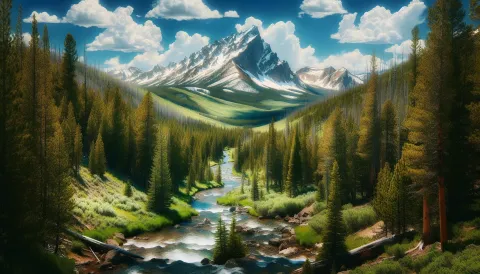 Mt HolmesFree5.0
A majestic mountain peak offering breathtaking panoramic wilderness views in Yellowstone
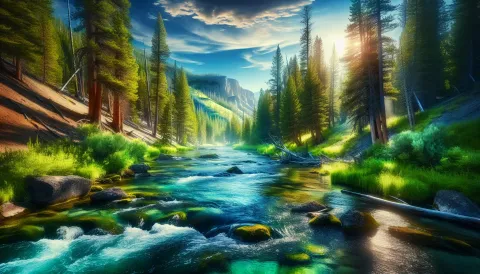 Nez Perce CreekFree5.0
A scenic stream in Yellowstone National Park offering rich history and wildlife
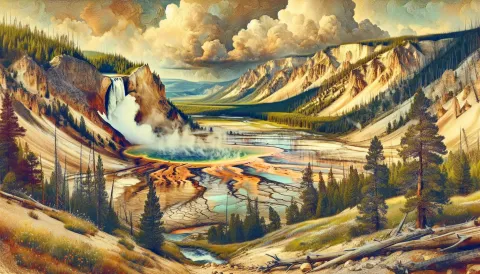 Norris Geyser Basin TrlFree5.0
Explore Yellowstone's hottest and most dynamic geothermal basin on boardwalk trails.
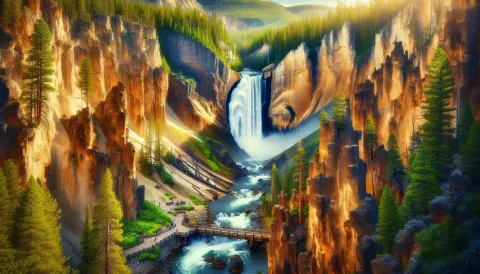 Osprey FallsFree5.0
A stunning waterfall tucked inside Sheepeater Canyon in Yellowstone National Park
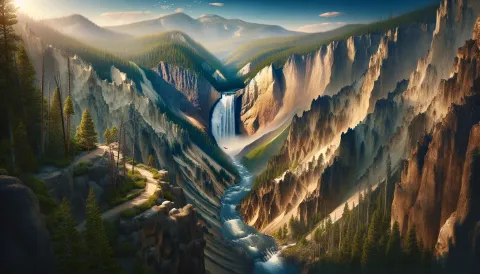 Osprey Falls TrailFree5.0
A strenuous backcountry trail descending into Sheepeater Canyon to dramatic waterfalls.
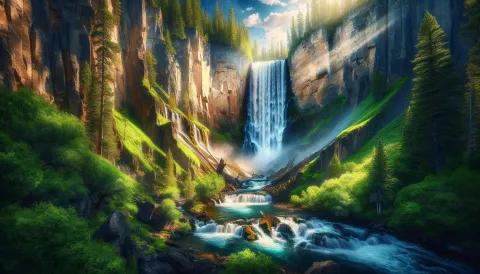 Union FallsFree5.0
Experience Yellowstone's stunning second highest waterfall deep in the backcountry.
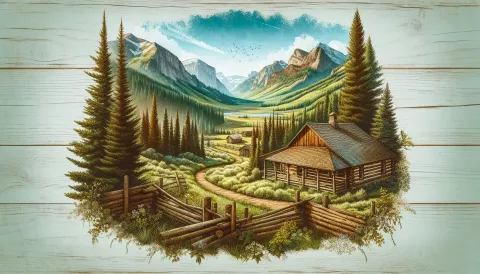 Aspen Trail SouthFree4.9
A scenic hiking trail through aspen groves offering broad valley views
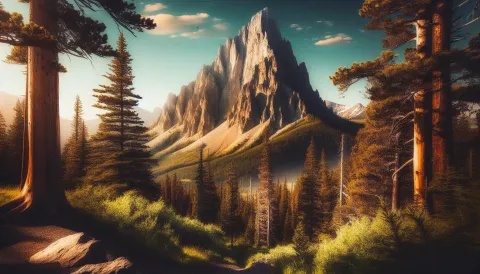 Bunsen PeakFree4.9
Conquer a scenic mountain peak offering panoramic views of Yellowstone
Where to eat
 Rendezvous RoyaleFree5.0
Cody's premier annual weeklong celebration of Western fine art and culture
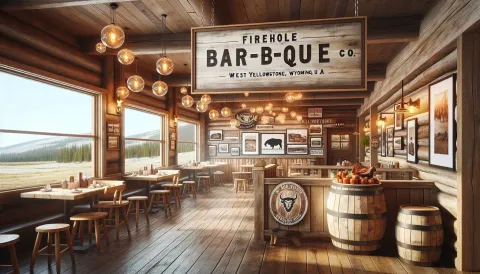 Firehole Bar-B-Que Co.$$4.7
Popular West Yellowstone barbecue spot serving slow-smoked meats near park entrance
 Fishing Bridge - General Store$4.5
Convenient stop for groceries, camping supplies, souvenirs, and casual dining
 Wyo Dough$$4.5
Brick oven pizzeria serving craft pies in gateway Cody near Yellowstone
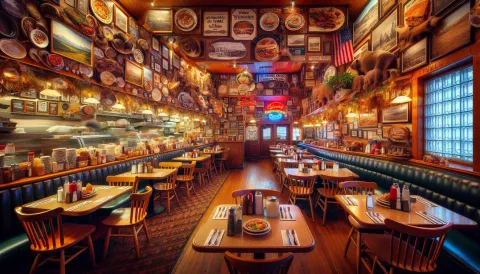 Yellowstone Grill$$4.5
Delicious breakfast and hearty comfort dishes right outside Yellowstone's entrance.
 The Lodgepole Room$$4.4
Relaxed dining near Yellowstone's East Entrance at Pahaska Tepee Resort.
 Annie's Soda Saloon$$4.3
Classic nostalgic soda fountain serving ice cream treats near Yellowstone
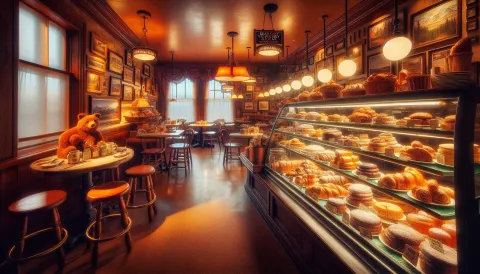 Bear Country Bakery$4.3
A cozy West Yellowstone spot for fresh pastries, coffee, and breakfast
Plan your Yellowstone National Park trip
About Yellowstone National Park
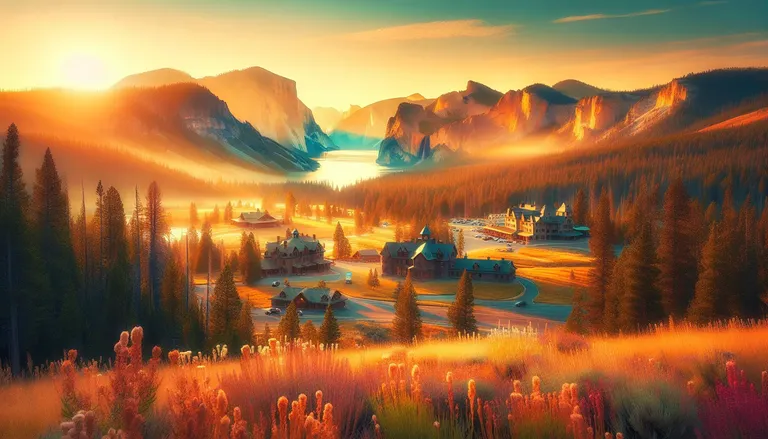
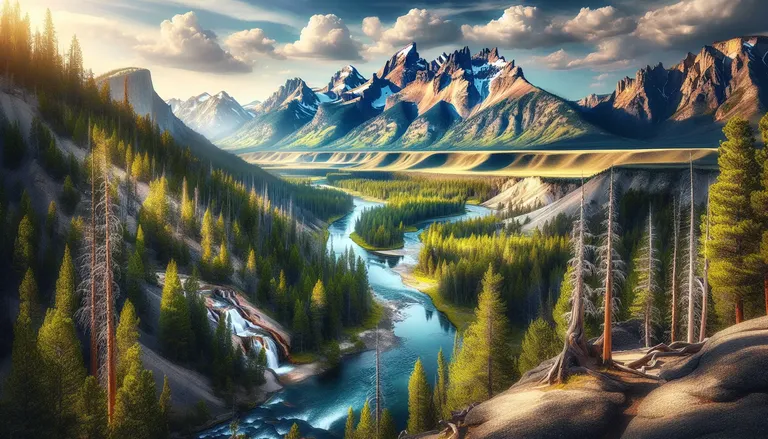
Spanning nearly 3,500 square miles across Wyoming, Montana, and Idaho, Yellowstone National Park captivates travelers with its active geothermal marvels and pristine landscapes. Visitors can explore extensive boardwalk trails leading to colorful hot springs, witness thundering waterfalls at the Grand Canyon of the Yellowstone, and drive scenic loops near Mammoth Hot Springs. The park is also world-renowned for wildlife watching, offering opportunities to observe free-roaming bison, elk, wolves, and bears in their natural habitats.
History
Yellowstone National Park, established in 1872, was the first national park in the United States and is often considered the first national park in the world. It was created to protect the unique geothermal features and wildlife found in the area.
Frequently asked questions
When's the best time to visit Yellowstone National Park?
The best time to visit Yellowstone is from late spring to early fall (May to September) when the weather is milder and most park facilities are open.
How do you get around Yellowstone National Park?
The best ways to get around Yellowstone National Park include driving your own vehicle, as the park is vast and has limited public transport. Bicycles are also allowed on some roads, and shuttles may be available during peak seasons.
What's the weather like in Yellowstone National Park year-round?
Yellowstone experiences a varied climate with cold winters and warm summers. Summer temperatures can reach the 70s and 80s °F, while winter temperatures often dip below freezing. Rainfall is common in summer, and snow can occur from October to May.
How can you save money in Yellowstone National Park?
- Consider visiting during the off-peak season to save on lodging and avoid crowds.
- Pack your own meals and snacks to minimize dining costs.
- Take advantage of free ranger-led programs for educational experiences.
- Explore hiking trails instead of paid attractions.
- Look for package deals on lodging and activities.
- Use a National Parks Pass if visiting multiple parks.
- Camp in designated areas to save on accommodations.
- Plan your visit around free entrance days offered by the National Park Service.
- Bring refillable water bottles to reduce costs on beverages.
- Use public transportation or carpooling to save on travel costs.
What should you know about safety in Yellowstone National Park?
- 911
- Yellowstone National Park Emergency: 307-344-7381
- Park Medical Services: 307-344-7965
- Wyoming Highway Patrol: 307-777-4321
- National Park Service: 202-208-7351
Local tips
- Visit during the shoulder seasons for fewer crowds.
- Stay in park lodges for easy access to attractions.
- Book accommodations well in advance during peak season.
- Download park maps and information before arrival.
- Follow wildlife safety guidelines to stay safe.
- Bring layers, as weather can change quickly.
- Stay hydrated and carry snacks while hiking.
- Take advantage of ranger-led programs.
- Respect the natural environment and stay on trails.
- Use binoculars for wildlife viewing to avoid disturbing animals.
Interesting facts
- Yellowstone is home to more than half of the world's geysers.
- The park sits atop a supervolcano that last erupted about 640,000 years ago.
- It spans across three states: Wyoming, Montana, and Idaho.
- Old Faithful is one of the most famous geysers, erupting approximately every 90 minutes.
- The park is home to over 1,700 species of plants and 300 species of birds.
- Yellowstone Lake is one of the largest high-altitude lakes in North America.
- The park has the largest concentration of mammals in the lower 48 states.
- It was designated a UNESCO World Heritage Site in 1978.
- Yellowstone has over 900 miles of hiking trails.
- The park features stunning waterfalls, including the iconic Lower Falls of the Yellowstone River.
- Bison are the largest land mammals in North America and roam freely in the park.
- The park is famous for its hot springs, including the Grand Prismatic Spring, which is one of the largest in the U.S.
- Yellowstone is home to the only remaining population of wild bison in the U.S.
- The park was a model for other national parks around the world.
- There are more than 200 species of animals in the park.
Ready to plan your Yellowstone National Park trip?
Get a full day-by-day itinerary built from real, currently-open places — verified against Google Maps, ready in seconds.
You might also like
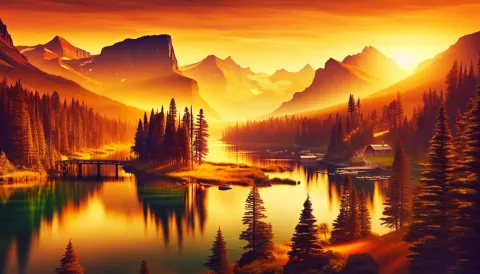 Glacier National Park
Glacier National Park in Montana offers awe-inspiring alpine landscapes, pristine glacier-fed lakes, and over 700 miles of hiking trails. Highlighted by the iconic Going-to-the-Sun Road, it stands as one of the premier outdoor destinations in North America.
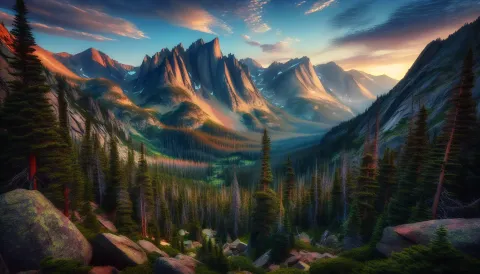 Rocky Mountain National Park
Spanning over 415 square miles of protected mountain wilderness in Colorado, Rocky Mountain National Park captivates visitors with dramatic alpine peaks, pristine lakes, and abundant wildlife. It is an iconic outdoor destination offering world-class hiking, scenic drives, and unforgettable natural beauty.
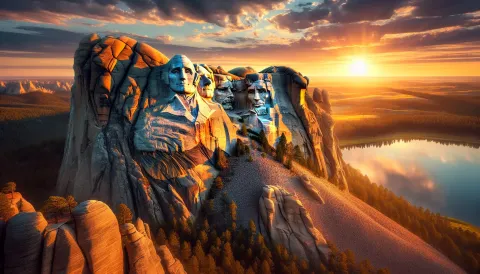 Mount Rushmore
Nestled in the Black Hills of Keystone, South Dakota, Mount Rushmore National Memorial features iconic 60-foot granite carvings of four U.S. presidents set against dramatic mountain scenery. It stands as a world-renowned landmark combining American history, impressive engineering, and natural beauty.
 Denver
Nestled at the base of the Rocky Mountains, Denver combines vibrant urban culture with immediate access to world-class outdoor adventure. Known for its sunny climate, thriving craft brewery scene, and rich arts offerings, the Mile High City captivates every type of traveler.