

 52°Fovercast clouds
Niagara Falls vacation guide
Real things to do, places to eat, and a day-by-day plan for Niagara Falls — every recommendation verified against Google Maps, not invented.
Top things to do in Niagara Falls
 Luna IslandFree4.9
Experience dramatic up-close views between American and Bridal Veil Falls
 Cave of the Winds$$4.8
Experience the Thrill of Niagara Falls at Cave of the Winds
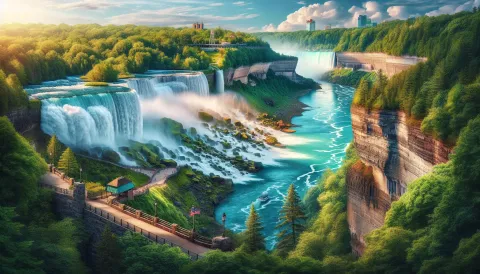 Cave of the Winds$$4.8
Get up close to the roaring power of Niagara Falls
 Maid of the Mist$$4.8
Experience iconic boat tours right into the mist of Niagara Falls
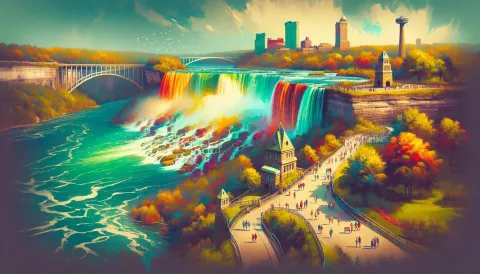 Niagara Falls State ParkFree4.8
Discover breathtaking views at America's oldest state park year-round
 Niagara Falls State Park Observation Tower$4.8
Enjoy dramatic, panoramic views of Niagara Falls from Prospect Point.
 Old Fort NiagaraFree4.8
Explore living military history at this historic Great Lakes fort
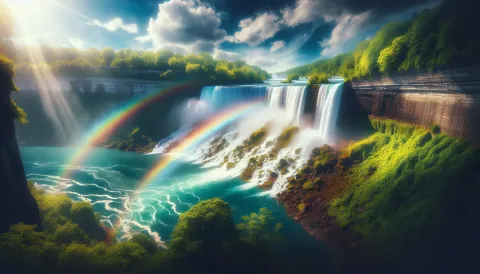 Bridal Veil FallsFree4.7
Experience the elegant beauty of Niagara's smallest and most intimate waterfall.
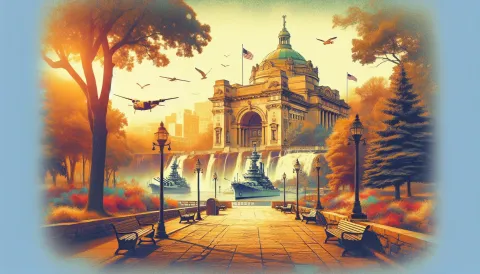 Buffalo and Erie County Naval & Military Park$$4.7
Explore historic naval vessels and military exhibits along Buffalo's waterfront
 Kleinhans Music Hall$$4.7
Experience world class acoustics and performances at historic Kleinhans Music Hall.
 Niagara Falls Underground Railroad Heritage Center$4.7
Discover inspiring stories of freedom seekers at Niagara's experiential museum
 Roswell Park Comprehensive Cancer Center$$4.7
Expert outpatient oncology and hematology care serving Niagara Falls patients locally.
Where to eat
 Niagara Falls Culinary Institute$$4.8
Discover student culinary talent and fine dining near Niagara Falls.
 Krispy Krunchy Chicken$4.7
Flavorful Cajun-style fried chicken and quick meals in Niagara Falls
 La Galera$4.6
Warm and welcoming spot for authentic Mexican food in Niagara Falls
 Savor$$4.5
Fine dining crafted by culinary students near Niagara Falls State Park
 The Silo Restaurant$4.5
Iconic riverside dining in a repurposed coal silo near Niagara Falls
 Casa Di Pizza$$4.4
A casual Niagara eatery serving up classic pizza, wings, and cold drinks.
 Old Falls StreetFree4.4
A vibrant cobblestone pedestrian avenue connecting downtown to Niagara Falls
 The Red Coach Inn$$4.4
Charming English Tudor style historic inn overlooking the Niagara River rapids
Plan your Niagara Falls trip
About Niagara Falls
Straddling the border between New York and Ontario, Niagara Falls offers immersive sights across its three distinct cascades: Horseshoe Falls, American Falls, and Bridal Veil Falls. Thrill-seekers and sightseers can feel the rushing mist on boat tours like Niagara City Cruises, walk subterranean tunnels at Journey Behind the Falls, or descend into the gorge at Cave of the Winds. Beyond the natural spectacle, the destination features family-friendly entertainment at Clifton Hill, elevated views from Skylon Tower, and scenic parklands along the Niagara River corridor. Whether admiring the roaring waters by day or taking in illuminated night views, Niagara Falls provides an unforgettable travel experience.
History
Niagara Falls has been a popular tourist destination since the early 19th century. The falls were first explored by Europeans in the 17th century and have a rich history of tourism development.
Frequently asked questions
When's the best time to visit Niagara Falls?
The best time to visit Niagara Falls is during late spring to early fall (May to September) when the weather is pleasant and all attractions are open.
How do you get around Niagara Falls?
The best way to get around Niagara Falls is by using public transportation, which includes buses and shuttles that connect various attractions. Walking is also a popular option, as many sites are within easy reach of each other. Bicycles can be rented for exploring the scenic areas around the falls.
What's the weather like in Niagara Falls year-round?
Niagara Falls experiences a humid continental climate with warm summers and cold winters. Summer temperatures average around 80°F (27°C), while winter temperatures can drop to around 20°F (-6°C).
How can you save money in Niagara Falls?
- Visit free attractions like Niagara Falls State Park.
- Pack your own snacks and drinks for the day.
- Look for combo tickets for attractions to save money.
- Take advantage of free walking tours.
- Consider visiting during the off-peak season for lower rates on hotels and attractions.
- Use public transport instead of taxis for cheaper travel.
- Find local dining spots for affordable meal options.
- Check for discounts online before purchasing tickets.
- Stay in nearby towns for lower accommodation costs.
- Bring a refillable water bottle to save on drinks.
What should you know about safety in Niagara Falls?
- 911 for emergency services
- New York State Police: 1-877-457-4820
- Niagara Falls Police: 716-286-4711
- Local hospital (Niagara Falls Memorial Medical Center): 716-278-4000
- Canadian Consulate (if visiting from the US): 1-888-949-9998
Local tips
- Visit early in the morning to avoid crowds.
- Take a boat tour to get close to the falls.
- Dress in layers, as it can be misty and chilly near the falls.
- Explore the surrounding parks for hiking and picnicking.
- Check for seasonal events and festivals.
- Bring a waterproof camera for great photos.
- Consider visiting at night for the illuminated falls.
- Purchase tickets for attractions in advance for discounts.
- Use public transportation or park outside the main areas to save on parking fees.
- Stay hydrated and wear comfortable shoes.
Interesting facts
- Niagara Falls is made up of three waterfalls: Horseshoe Falls, American Falls, and Bridal Veil Falls.
- The average flow rate of water over the falls is about 85,000 cubic feet per second.
- The falls are approximately 12,000 years old.
- Niagara Falls is a popular spot for honeymooners and romantic getaways.
- The first person to go over the falls in a barrel was Annie Edson Taylor in 1901.
- Niagara Falls has been featured in numerous films and songs.
- The falls produce enough hydroelectric power to supply electricity to over a million homes.
- There are more than 400 species of plants in the Niagara Parks.
- The area is home to several wineries and vineyards.
- The falls freeze over in winter, creating stunning ice formations.
- The Niagara River has a significant role in the War of 1812.
- Niagara Falls is one of the most photographed natural attractions in the world.
- The region has a diverse wildlife population including deer, raccoons, and various bird species.
- The falls' roar can be heard from miles away.
- Niagara Falls attracts more than 14 million visitors each year.
Ready to plan your Niagara Falls trip?
Get a full day-by-day itinerary built from real, currently-open places — verified against Google Maps, ready in seconds.
You might also like
 Finger Lakes
Famous for its eleven glacially carved lakes, award-winning wineries, and dramatic gorge waterfalls like Watkins Glen State Park, New York's Finger Lakes region is an idyllic year-round escape for wine lovers and outdoor adventurers alike.
 Detroit
Detroit is a dynamic cultural hub brimming with iconic musical heritage, world-class art, and a vibrant revitalization along its scenic waterfront. Known as Motown and the Motor City, it blends rich industrial history with cutting-edge dining, thriving art scenes, and bustling urban parks.
 Baltimore
Known as Charm City, Baltimore pairs rich maritime heritage and scenic waterfront views with a vibrant, culture-filled urban core. From iconic attractions along the Inner Harbor to world-famous seafood dining, it offers an inviting and multifaceted East Coast escape.
 Washington
Washington offers a compelling mix of vibrant urban culture and breathtaking natural landscapes, from Seattle's iconic Space Needle and Pike Place Market to snow-capped peaks and temperate rainforests. Whether exploring Pacific Northwest coastlines or trekking around Mount Rainier, the state delivers endless outdoor adventure and modern city charm.