
 63°Fmoderate rain
Washington vacation guide
Real things to do, places to eat, and a day-by-day plan for Washington — every recommendation verified against Google Maps, not invented.
Top things to do in Washington
 Basilica of the National Shrine of the Immaculate ConceptionFree4.9
Discover North America's largest Roman Catholic church featuring breathtaking sacred mosaics
 Franciscan Monastery of the Holy Land in AmericaFree4.9
A serene Washington sanctuary with tranquil gardens and historic replica shrines
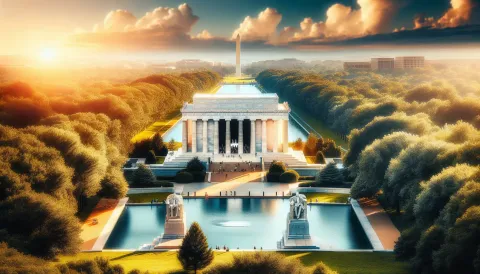 Martin Luther King, Jr. MemorialFree4.9
Inspiring Tidal Basin memorial honoring civil rights leader Dr. Martin Luther King
 National Symphony Orchestra$$4.9
Experience premier classical music performances at Washington's iconic Kennedy Center.
 The National Air and Space Museum Steven F. Udvar-Hazy CenterFree4.9
Explore historic aircraft and iconic space vehicles near Washington Dulles.
 Vietnam Veterans MemorialFree4.9
A poignant National Mall memorial honoring fallen Vietnam War service members
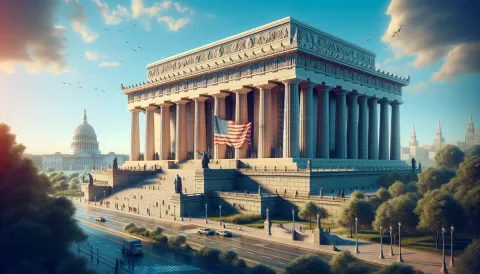 World War II MemorialFree4.9
Honoring millions of Americans who served during the Second World War.
 Great Falls ParkFree4.8
Dramatic waterfalls and scenic hiking trails just outside Washington DC
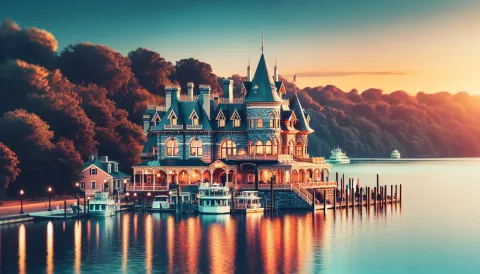 Hains PointFree4.8
Scenic waterfront park offering sweeping river views and paved recreation loops
 Harpers Ferry National Historical ParkFree4.8
Explore rich Civil War history where rivers meet scenic mountain views
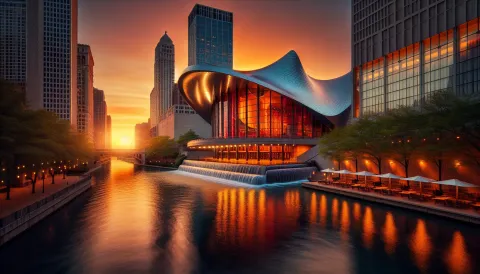 John F. Kennedy Center for the Performing Arts$$4.8
America's premier cultural center for world-class theater, music, and dance.
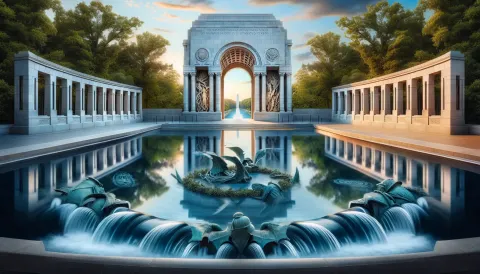 Korean War Veterans MemorialFree4.8
A powerful Washington, D.C. tribute honoring those who served in Korea.
Where to eat
 Ambar$$4.7
Vibrant Capitol Hill dining spot offering unlimited Balkan small plates
 JINYA Ramen Bar - Logan Circle$$4.7
Rich craft ramen bowls and small plates in Logan Circle
 The Wharf DC$$4.7
A vibrant waterfront district featuring dining, entertainment, and scenic Potomac views
 Baked & Wired$$4.6
An iconic Georgetown spot for handcrafted coffee and oversized cupcakes
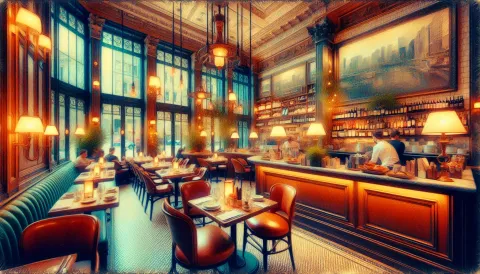 Le Diplomate$$$4.6
A bustling French bistro serving classic Parisian fare on 14th Street
 Nostra Cucina$$4.6
Warm and cozy neighborhood Italian spot serving handmade pasta in Washington.
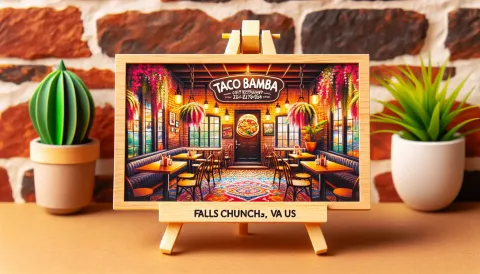 Taco Bamba$4.6
Bold, creative chef-driven Mexican taqueria serving unique tacos and cocktails.
 The Capital Grille$$$$4.6
An Exquisite Dining Experience at The Capital Grille
Plan your Washington trip
About Washington
Washington is a premier Pacific Northwest destination defined by its dramatic topography, rich culture, and world-class nature. Visitors can experience vibrant city life in Seattle at Pike Place Market, Waterfront Park, and the Space Needle before heading into the surrounding wilderness. The state boasts extraordinary national parks, from the snow-capped peak and alpine meadows of Mount Rainier to the ancient rainforests and Pacific coastline of Olympic National Park. Whether hiking pristine mountain trails, enjoying coastal views, or discovering local cuisine, Washington caters to every type of traveler.
History
Washington, D.C. was established as the capital of the United States in 1790, chosen for its location along the Potomac River. It was designed by Pierre Charles L'Enfant and has since been the center of American political life.
Frequently asked questions
When's the best time to visit Washington?
The ideal time to visit Washington, D.C. is during the spring (March to May) and fall (September to November) when the weather is mild and the cherry blossoms bloom.
How do you get around Washington?
Public transportation is highly recommended, including the Metro system and buses, which provide easy access to most attractions.
What's the weather like in Washington year-round?
Washington, D.C. experiences a humid subtropical climate with hot summers, mild winters, and moderate rainfall throughout the year.
How can you save money in Washington?
- Take advantage of free attractions and events in the city.
- Use public transportation instead of taxis or rideshares.
- Consider visiting during the off-peak season for better deals.
- Pack snacks and drinks to avoid high prices at tourist sites.
- Look for happy hour specials at local restaurants.
What should you know about safety in Washington?
- Police: 911
- Fire Department: 911
- Emergency Medical Services: 911
- National Park Service: 202-426-6841
- Washington D.C. Poison Control Center: 1-800-222-1222
Local tips
- Plan your visit during the weekdays to avoid weekend crowds at museums.
- Take advantage of the free attractions, including the National Mall and Smithsonian museums.
- Use public transportation to navigate the city efficiently.
- Book tickets in advance for popular attractions like the White House and Capitol tours.
- Visit during the spring or fall for pleasant weather and beautiful scenery.
- Stay hydrated and wear comfortable shoes, as you will be walking a lot.
- Check for any special events or festivals happening during your visit.
- Explore neighborhoods like Georgetown and Adams Morgan for local culture.
- Consider a guided tour to learn more about the city's history.
- Be aware of security measures at federal buildings and monuments.
Interesting facts
- The White House has been the residence of every U.S. president since John Adams.
- The Lincoln Memorial features a 19-foot tall statue of Abraham Lincoln.
- Washington, D.C. is not part of any state and is a federal district.
- The National Mall is home to over 1,000 cherry blossom trees gifted by Japan.
- The city was named after George Washington, the first president of the United States.
- The Library of Congress is the largest library in the world.
- Washington, D.C. has a higher percentage of college graduates than any other U.S. city.
- The National Zoo is part of the Smithsonian Institution and is free to enter.
- D.C. has its own unique flag featuring two red stars and three red stripes.
- The city has more than 70 museums, most of which are free to the public.
Ready to plan your Washington trip?
Get a full day-by-day itinerary built from real, currently-open places — verified against Google Maps, ready in seconds.
You might also like
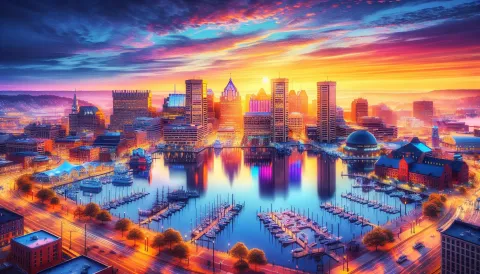 Baltimore
Known as Charm City, Baltimore pairs rich maritime heritage and scenic waterfront views with a vibrant, culture-filled urban core. From iconic attractions along the Inner Harbor to world-famous seafood dining, it offers an inviting and multifaceted East Coast escape.
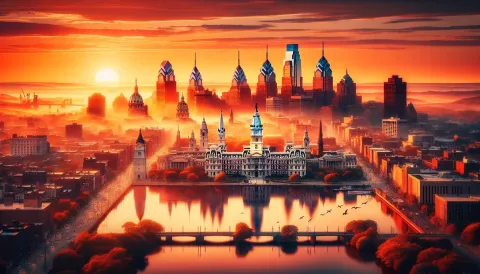 Philadelphia
As the birthplace of American democracy, Philadelphia pairs rich revolutionary history with a vibrant, modern urban energy. Visitors can explore iconic landmarks like Independence Hall and the Liberty Bell before diving into a world-class culinary and arts scene.
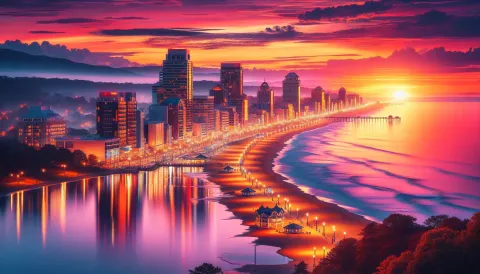 Virginia Beach
Virginia Beach offers a vibrant coastal escape centered around an iconic three-mile oceanfront boardwalk, sandy beaches, and lively seaside dining. Beyond the shoreline, visitors can explore serene state parks, rich marine life, and outdoor adventures along the Atlantic coast.
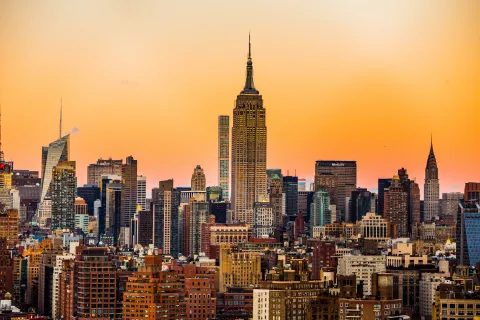 New York
New York City captivates travelers with its iconic skyline, world-class theater, and endless cultural energy across five unique boroughs. From the sprawling greenery of Central Park to towering observation decks like SUMMIT One Vanderbilt, the Big Apple offers unforgettable experiences at every turn.