
 46°Flight rain
Rocky Mountain National Park vacation guide
Real things to do, places to eat, and a day-by-day plan for Rocky Mountain National Park — every recommendation verified against Google Maps, not invented.
Top things to do in Rocky Mountain National Park
 Caribou LakeFree5.0
A breathtaking alpine lake nestled in Colorado's scenic high country.
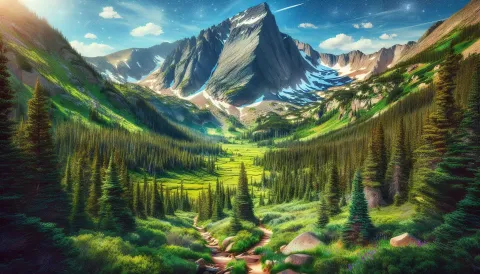 Hallett PeakFree5.0
Conquer dramatic alpine heights and panoramic views at Hallett Peak
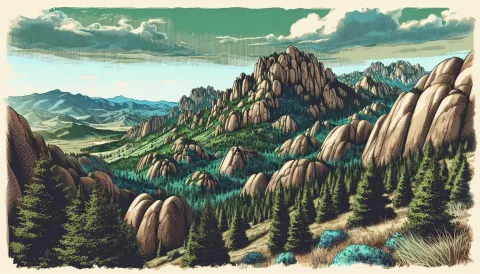 Lumpy RidgeFree5.0
Dramatic granite rock formations offer world-class climbing and scenic hiking trails.
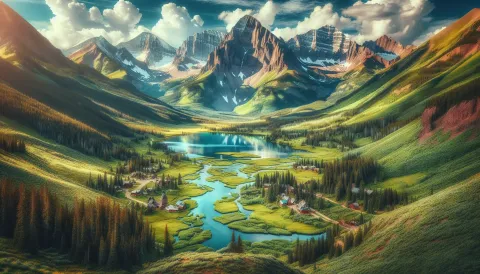 Mount Sneffels Wilderness AreaFree5.0
Dramatic San Juan wilderness boasting towering peaks and stunning alpine scenery
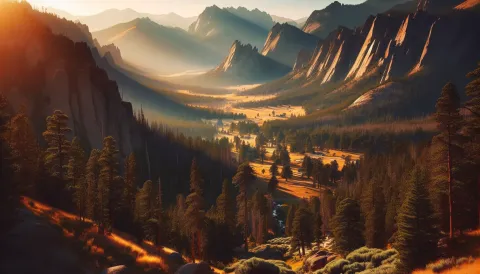 Mummy RangeFree5.0
Explore dramatic alpine peaks and serene wilderness in Rocky Mountain
 Sprague LakeFree5.0
An accessible alpine lake with iconic mountain reflections and frequent wildlife.
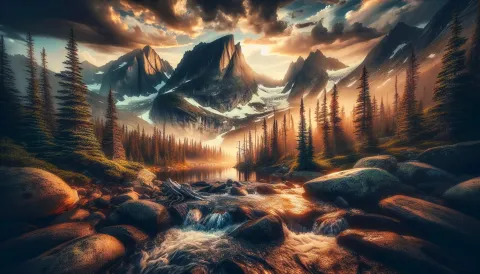 Andrews GlacierFree4.9
A breathtaking alpine glacier nestled in Rocky Mountain National Park
 Buffalo Peaks WildernessFree4.9
Discover dramatic volcanic summits and tranquil hiking routes in central Colorado.
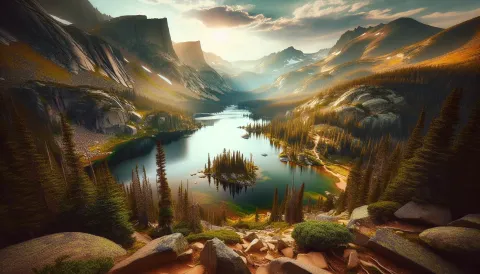 Chasm LakeFree4.9
Experience breathtaking high alpine scenery beneath Longs Peak in Colorado
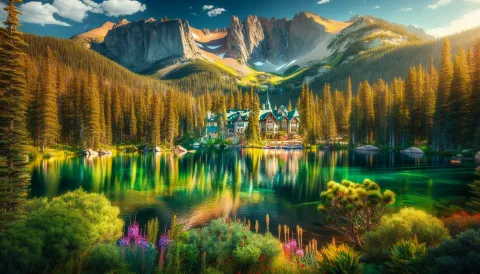 Emerald LakeFree4.9
A breathtaking alpine lake nestled beneath dramatic mountain peaks in Colorado.
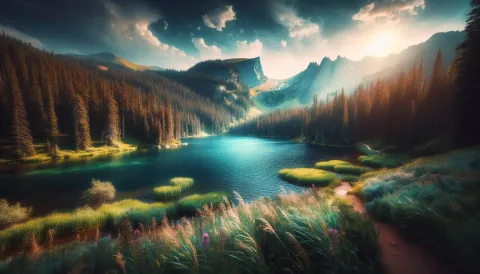 Emerald Lake TrailFree4.9
A quintessential Rocky Mountain hike connecting three spectacular subalpine lakes.
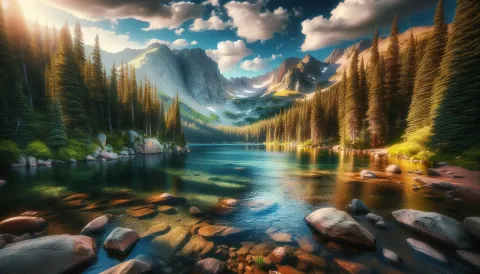 Lake IsabelleFree4.9
A stunning alpine lake surrounded by dramatic peaks and vibrant wildflowers
Where to eat
 The Old Man MountainFree5.0
A scenic peak near Estes Park offering short, steep, adventurous climbs.
 The Trail Ridge Store$5.0
High alpine gift shop and cafe along scenic Trail Ridge Road
 Cinnamon's Bakery$4.9
Freshly baked gourmet cinnamon rolls near Rocky Mountain National Park
 Kind Coffee$4.7
Cozy organic coffee shop offering fresh brews and riverside outdoor seating
 Rock Inn Mountain Tavern$$4.6
A rustic cabin tavern serving craft drinks and hosting live music
 Smokin' Dave's BBQ & Brew$4.6
Flavorful smoked barbecue and craft beer near Rocky Mountain National Park
 The Egg of Estes$$4.6
Popular downtown Estes Park diner serving classic breakfast and lunch favorites
 The Silver Moon Inn$$4.6
A cozy riverside retreat just steps from downtown Estes Park
Plan your Rocky Mountain National Park trip
About Rocky Mountain National Park
Rocky Mountain National Park features over 300 miles of hiking trails that wind through lush pine forests, alpine tundra, and pristine mountain lakes. Visitors can experience scenic drives along Trail Ridge Road—reaching elevations over 12,000 feet—and spot native wildlife such as elk, bighorn sheep, and moose. Whether visiting for summer mountain treks or winter snowshoeing, the park delivers accessible adventure set against magnificent Colorado scenery.
Frequently asked questions
When's the best time to visit Rocky Mountain National Park?
Late spring to early fall (May to September)
How do you get around Rocky Mountain National Park?
The best way to explore Rocky Mountain National Park is by car, especially along the scenic roads like Trail Ridge Road. For those looking to hike, many trails start right from parking areas. Shuttles are available during peak seasons to reduce traffic.
What's the weather like in Rocky Mountain National Park year-round?
Weather in Rocky Mountain National Park varies greatly with elevation. Summers are warm with daytime temperatures ranging from 70°F to 80°F, while winters can be quite cold, with temperatures often dropping below freezing. Snow can occur year-round, especially at higher elevations.
How can you save money in Rocky Mountain National Park?
- Visit during the off-peak months for lower accommodation rates
- Pack your own meals for hikes and picnics
- Take advantage of free ranger programs and tours
- Use a National Park Pass if visiting multiple parks
- Camping is a budget-friendly accommodation option
- Plan visits during weekdays to avoid higher weekend rates
- Bring your own gear for activities like hiking and biking
What should you know about safety in Rocky Mountain National Park?
- 911
- Park Emergency Services: 970-586-1204
- Estes Park Medical Center: 970-586-2200
- Boulder County Sheriff's Office: 303-441-3600
- Colorado State Patrol: 303-239-4501
Local tips
- Visit early in the morning to avoid crowds
- Check the weather forecast before hiking
- Stay on marked trails to protect wildlife
- Bring plenty of water and snacks for hikes
- Use bear-proof containers for food storage
- Dress in layers due to changing weather conditions
- Consider visiting during the fall for stunning foliage
- Be aware of altitude sickness and take it slow
- Respect wildlife and maintain a safe distance
- Take advantage of ranger-led programs for learning
Interesting facts
- Established in 1915
- Home to over 300 miles of hiking trails
- Contains 78 mountain peaks over 12,000 feet
- The highest point is Longs Peak at 14,259 feet
- Features alpine lakes and glaciers
- Wildlife includes elk, deer, and bears
- Over 60 species of mammals inhabit the park
- The park's elevation ranges from 7,860 to 14,259 feet
- Offers scenic drives like Trail Ridge Road
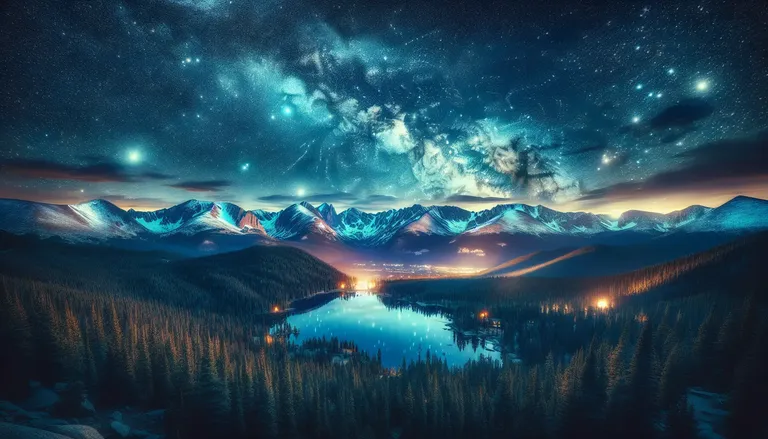
- Designated as a Dark Sky Park for stargazing
- Over 1,000 species of plants can be found
- The park covers over 415 square miles
- Annual snowfall can exceed 300 inches
- Popular for winter sports like snowshoeing
- Protected as a national park for its natural beauty
Ready to plan your Rocky Mountain National Park trip?
Get a full day-by-day itinerary built from real, currently-open places — verified against Google Maps, ready in seconds.
You might also like
 Denver
Nestled at the base of the Rocky Mountains, Denver combines vibrant urban culture with immediate access to world-class outdoor adventure. Known for its sunny climate, thriving craft brewery scene, and rich arts offerings, the Mile High City captivates every type of traveler.
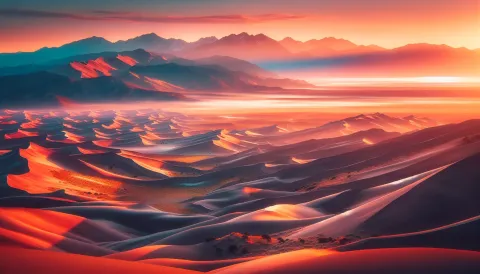 Great Sand Dunes National Park
Home to North America's tallest sand dunes set against the backdrop of Colorado's Sangre de Cristo Mountains, Great Sand Dunes National Park offers an otherworldly high-desert adventure. Visitors can hike towering crests, slide down slopes on sandboards, splash in seasonal Medano Creek, and stargaze under pristine night skies.
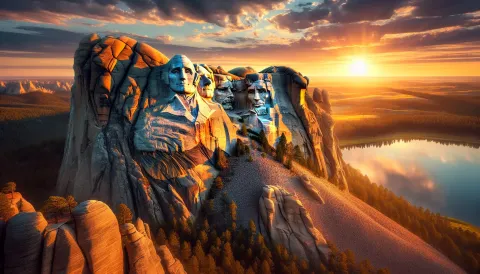 Mount Rushmore
Nestled in the Black Hills of Keystone, South Dakota, Mount Rushmore National Memorial features iconic 60-foot granite carvings of four U.S. presidents set against dramatic mountain scenery. It stands as a world-renowned landmark combining American history, impressive engineering, and natural beauty.
 Santa Fe
Nestled in the foothills of the Sangre de Cristo Mountains, Santa Fe charms visitors with its distinctive Pueblo-style architecture, historic central plaza, and vibrant arts scene. It is a captivating high-desert destination where centuries of Native American, Spanish, and Southwestern heritage seamlessly intersect.