 59°Fovercast clouds
Great Sand Dunes National Park vacation guide
Real things to do, places to eat, and a day-by-day plan for Great Sand Dunes National Park — every recommendation verified against Google Maps, not invented.
Top things to do in Great Sand Dunes National Park
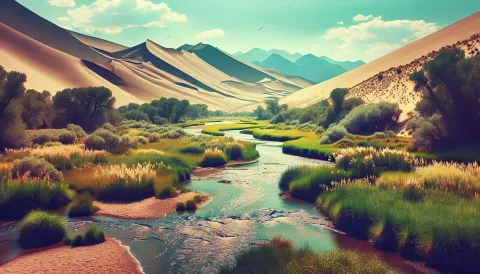 Medano CreekFree5.0
Experience a seasonal splash along North America's tallest sand dunes
 Mount Sneffels WildernessFree5.0
Explore dramatic alpine peaks and pristine hiking trails in San Juan Mountains
 Spanish Peaks WildernessFree5.0
Explore rugged alpine peaks and quiet wilderness trails in southern Colorado
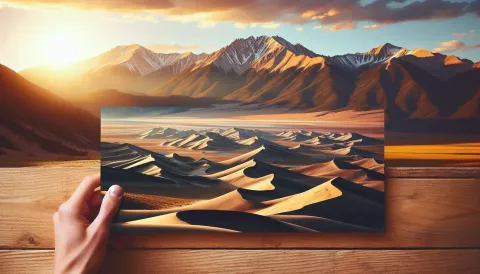 Star DuneFree5.0
Conquer North America's tallest sand dune for spectacular sweeping mountain views
 Buffalo Peaks WildernessFree4.9
Discover the Majestic Buffalo Peaks Wilderness
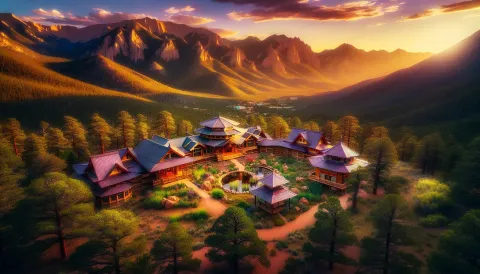 Crestone Mountain Zen Center$$4.9
A tranquil Zen Buddhist monastic retreat center in the Crestone mountains.
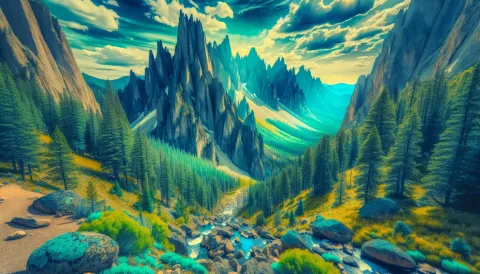 Crestone NeedleFree4.9
Towering 14er peak offering technical climbing and rugged mountain vistas
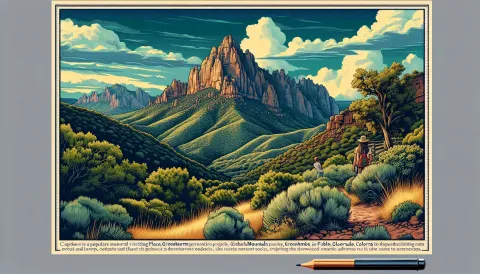 Greenhorn MountainFree4.9
High mountain peak offering stunning panoramic views in southern Colorado
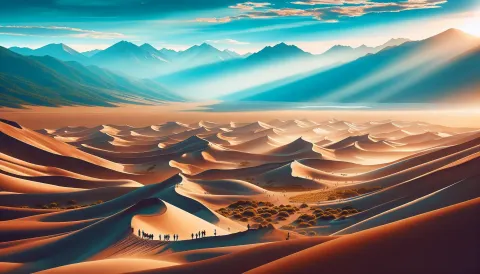 High DuneFree4.9
Climb the main dune ridge for breathtaking views of the park.
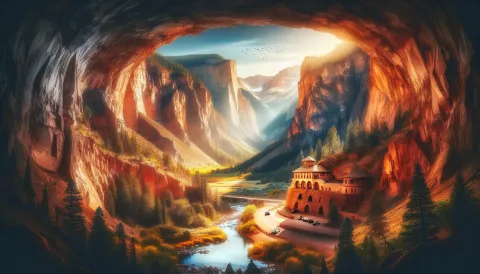 Medano PassFree4.9
A scenic high clearance four wheel drive road through mountain wilderness
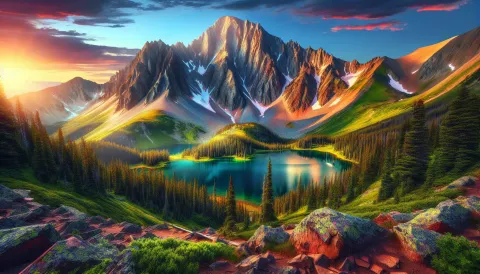 Mount AnteroFree4.9
Explore the Heights of Mount Antero
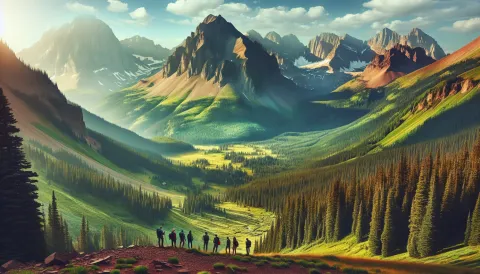 Mount WilsonFree4.9
Explore the Majesty of Mount Wilson
Where to eat
 Luchas Tacos Tequila & TapsFree5.0
Lively Mexican cantina and speakeasy near Great Sand Dunes National Park
 SUSHI THAI ALAMOSA$$4.8
Savor authentic Thai dishes, fresh sushi, and ramen in Alamosa.
 The Lunch Box$4.8
A Local Favorite for Comfort Food
 The Rubi Slipper$$4.6
Casual dining near Great Sand Dunes for burgers, tacos, and desserts.
 Woody's Q Shack$$4.6
Enjoy hearty smoked meats and classic barbecue near Great Sand Dunes
 Crazy Corner Cafe$4.5
Hearty homemade breakfast and lunch near Great Sand Dunes National Park
 Milagros Coffee House$4.5
A Cozy Retreat for Coffee Lovers
 The Purple Pig Pizzeria & Pub$$4.2
Delicious wood-fired pizzas and craft beer near Great Sand Dunes
Plan your Great Sand Dunes National Park trip
About Great Sand Dunes National Park
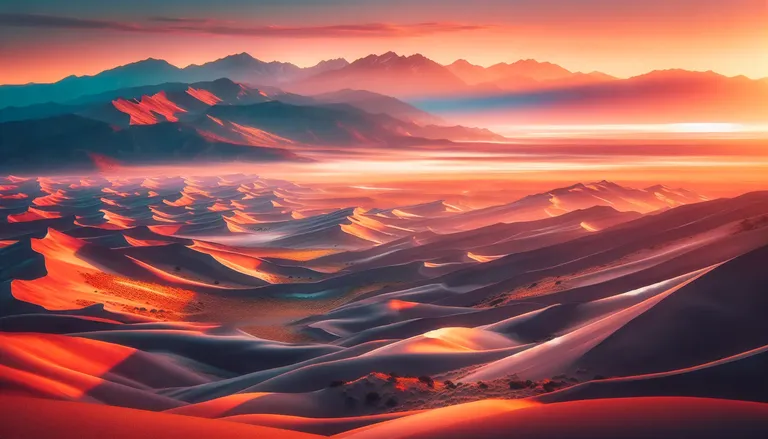
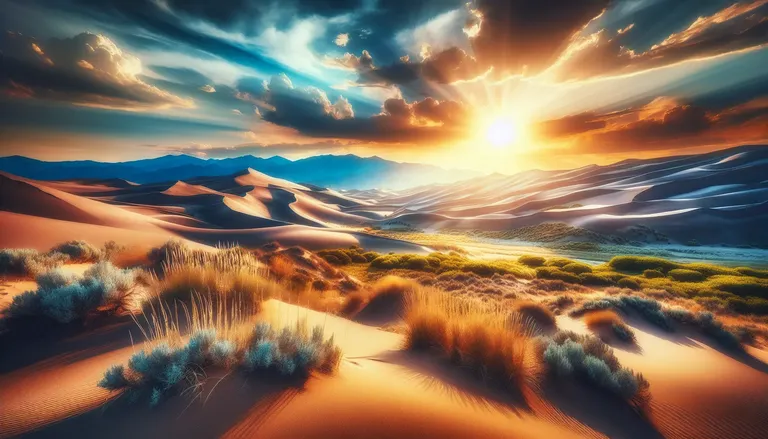
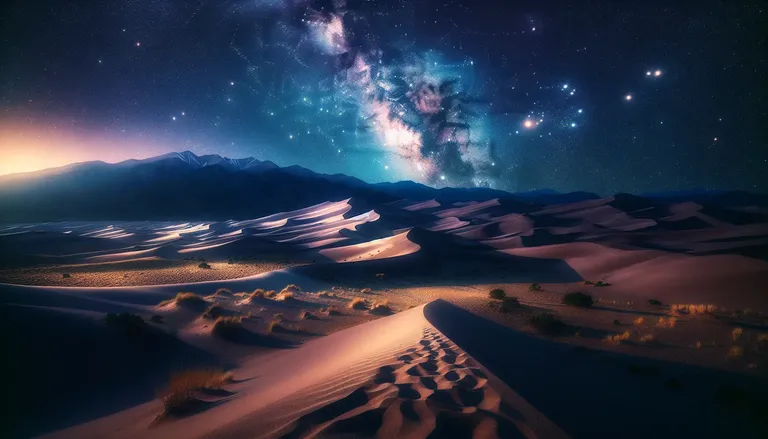
Nestled in southern Colorado, Great Sand Dunes National Park and Preserve features a surreal landscape where North America's tallest dunes rise dramatically against the alpine backdrop of the Sangre de Cristo Mountains. Beyond hiking and sand sledding across massive peaks like High Dune and Star Dune, visitors can wade in the seasonal waters of Medano Creek, explore nearby forest trails, and view neighboring Zapata Falls. Recognized as an International Dark Sky Park, it also offers extraordinary stargazing over the vast dune field. With activities ranging from camping at Piñon Flats to off-road adventures along Medano Pass, the park delivers an unforgettable destination for outdoor enthusiasts year-round.
Frequently asked questions
When's the best time to visit Great Sand Dunes National Park?
Late spring to early fall (May to September) for best weather conditions
How do you get around Great Sand Dunes National Park?
The best way to get around Great Sand Dunes National Park is by car, as public transportation options are limited. Once inside the park, visitors can hike or walk to various sites. Biking is also an option on some designated trails.
What's the weather like in Great Sand Dunes National Park year-round?
The park experiences a high desert climate with warm summers and cold winters. Summer temperatures can exceed 90°F (32°C), while winter temperatures can drop below freezing. Spring and fall offer mild temperatures, making them ideal for visits.
How can you save money in Great Sand Dunes National Park?
- Visit during the off-peak season for lower accommodation rates.
- Bring your own food and drinks to save on dining expenses.
- Use free resources like park maps and guides available at visitor centers.
- Consider camping instead of hotel stays to save money.
- Look for discounts on equipment rentals for sandboarding or sledding.
What should you know about safety in Great Sand Dunes National Park?
- 911
- Saguache County Sheriff's Office: 719-655-2525
- Park Visitor Center: 719-378-6300
- Local Medical Facilities: San Luis Valley Health - Alamosa: 719-589-2511
Local tips
- Visit early in the morning or late afternoon to avoid the heat.
- Bring plenty of water, especially during summer months.
- Wear sunscreen and a hat to protect from sun exposure.
- Consider renting sandboards or sleds for fun on the dunes.
- Check weather conditions before your visit to avoid storms.
- Stay on designated trails to protect the environment.
- Explore the nearby Medano Creek for a refreshing break.
- Plan for stargazing at night as the area has minimal light pollution.
- Observe wildlife but maintain distance and do not feed them.
- Be prepared for rapid weather changes in the mountains.
Interesting facts
- The tallest sand dune rises over 750 feet high.
- The park spans over 30 square miles of sand dunes.
- The dunes were formed by wind and water erosion over thousands of years.
- Medano Creek flows through the park and is a popular spot for visitors.
- The park was established as a national monument in 1932 and later designated a national park in 2004.
- The dunes are constantly changing shape due to wind patterns.
- It is home to a variety of wildlife, including deer, foxes, and numerous bird species.
- The park has a diverse ecosystem with alpine forests, wetlands, and grasslands.
- Great Sand Dunes was designated a Dark Sky Park in 2019.
- It is located near the San Luis Valley, one of the oldest valleys in Colorado.
Ready to plan your Great Sand Dunes National Park trip?
Get a full day-by-day itinerary built from real, currently-open places — verified against Google Maps, ready in seconds.
You might also like
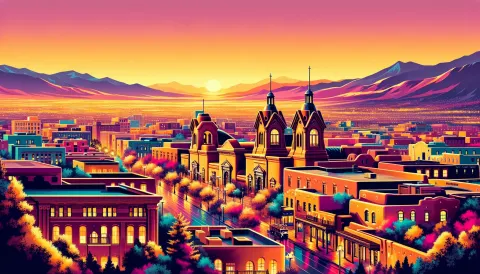 Santa Fe
Nestled in the foothills of the Sangre de Cristo Mountains, Santa Fe charms visitors with its distinctive Pueblo-style architecture, historic central plaza, and vibrant arts scene. It is a captivating high-desert destination where centuries of Native American, Spanish, and Southwestern heritage seamlessly intersect.
 Denver
Nestled at the base of the Rocky Mountains, Denver combines vibrant urban culture with immediate access to world-class outdoor adventure. Known for its sunny climate, thriving craft brewery scene, and rich arts offerings, the Mile High City captivates every type of traveler.
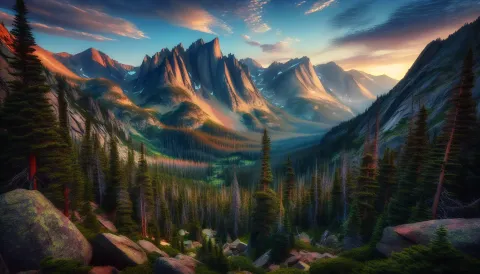 Rocky Mountain National Park
Spanning over 415 square miles of protected mountain wilderness in Colorado, Rocky Mountain National Park captivates visitors with dramatic alpine peaks, pristine lakes, and abundant wildlife. It is an iconic outdoor destination offering world-class hiking, scenic drives, and unforgettable natural beauty.
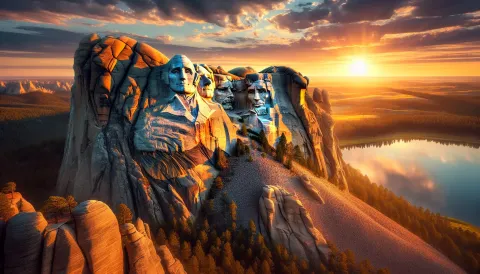 Mount Rushmore
Nestled in the Black Hills of Keystone, South Dakota, Mount Rushmore National Memorial features iconic 60-foot granite carvings of four U.S. presidents set against dramatic mountain scenery. It stands as a world-renowned landmark combining American history, impressive engineering, and natural beauty.